







The words antique and vintage often get used interchangeably in casual conversation. Both suggest something old, charming, and worth keeping. But in the world of collecting, decorating, and resale, the difference between antique and vintage has a very specific meaning.
Understanding that difference helps you shop more confidently. It also helps you price things correctly, describe them accurately, and avoid disappointment. A chair from 1920 carries a different story than one from 1970, even if both look beautiful in the same room.
This guide explains the real difference between antique vs vintage, where those definitions come from, and why the distinction still matters in everyday life.
The Basic Definition: Antique vs Vintage

The simplest way to understand antique vs vintage is by age. In most cases, an antique is an item that is at least one hundred years old. A vintage item is typically between twenty and ninety nine years old.
That means a dresser made in 1910 would generally be considered an antique today. A dresser made in 1965 would usually be called vintage. Both are old enough to have character, but they come from very different eras of design and manufacturing.
These definitions are not random. The one hundred year rule became widely accepted in the twentieth century, partly because of international trade laws that used the century mark to define antiques for import purposes. Over time, dealers and collectors adopted the same standard.
Vintage, by contrast, is a more flexible term. It originally came from the wine world, where it referred to the year a wine was bottled. Later, people began using it to describe items from a particular era, especially when those items represented the style or spirit of that time.
Why the Age Difference Matters
The gap between antique and vintage is not just about numbers. It reflects a major shift in how things were made, sold, and used.
Most antiques come from a time before large scale factory production. They were often made by hand, in small workshops, using traditional materials. A chest from the nineteenth century might have hand cut joinery, uneven tool marks, and solid wood panels that were shaped by an individual craftsperson.
Vintage items usually come from the twentieth century, when factories and assembly lines were common. A 1950s dining table might still be well made, but it was likely produced in larger quantities using machines. New materials like plastics, chrome, and synthetic fabrics also became widespread during the vintage era.
So when someone talks about antique vs vintage, they are often talking about two different worlds. One is rooted in traditional craftsmanship. The other reflects early modern industry and design.
How Collecting Habits Shaped the Terms
The idea of collecting antiques goes back hundreds of years. European elites in the Renaissance collected ancient artifacts as symbols of learning and status. By the Victorian era, antique shops and public museums were common, and middle class families began to value older furnishings as signs of refinement.
In the United States, antique collecting became especially popular after the Second World War. By the 1960s and 1970s, flea markets and small antique shops appeared across the country. People were rediscovering old furniture and decorative objects that had been pushed aside during the rush toward modern living.
Vintage culture developed later, especially in fashion. Around the mid 1960s, young people in cities like London and San Francisco began wearing older clothing from thrift stores and flea markets. Edwardian jackets, forties dresses, and military surplus gear became part of everyday outfits.
By the 1970s, the idea of dressing vintage was firmly established. It was no longer just about secondhand clothes. It was about style, nostalgia, and individuality. That spirit spread to home decor, music, and design, and the term vintage took on a life of its own.
The Materials Tell the Story
One of the clearest ways to see the difference between antique and vintage is to look at materials.
Antiques often use natural materials. Solid hardwood, brass, iron, porcelain, wool, and linen were standard. These materials were shaped by hand or with simple machines, and they tend to age in visible ways. Wood darkens, metal develops patina, and fabrics soften over time.
Vintage items reflect the rise of new materials. Mid century furniture might include molded plywood, fiberglass, or chrome. Kitchenware from the fifties often used plastic or enamel. Clothing from the seventies frequently included polyester and other synthetics.
Neither approach is automatically better. Many vintage pieces were built to last and still perform beautifully. But the materials themselves reveal which era an object belongs to, and that helps clarify antique vs vintage at a glance.
Makers, Brands, and Signatures
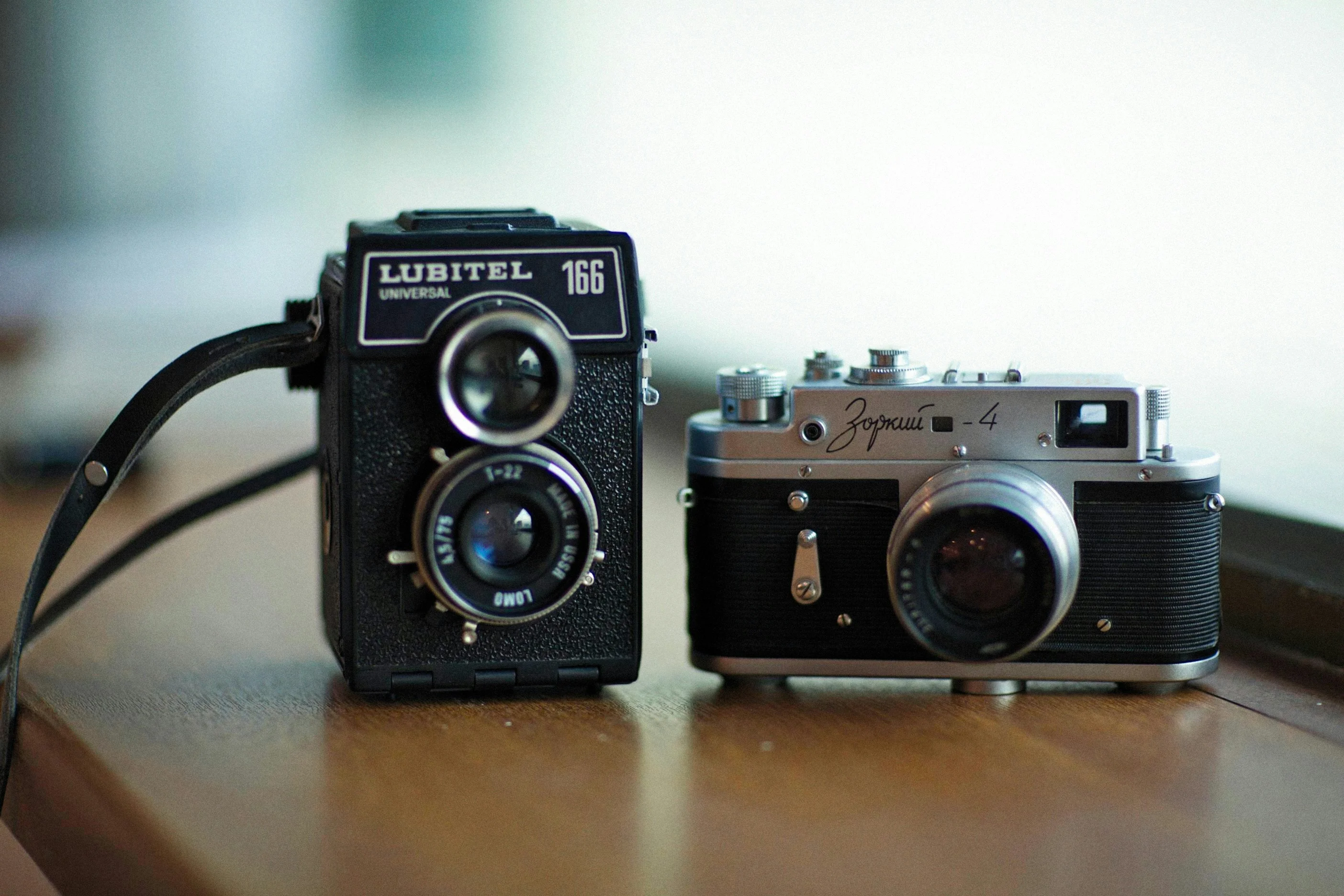
Antiques often come from a time before modern branding. Many were made by local craftspeople whose names are no longer widely known. Some famous makers do appear, especially in high end pieces, but many antiques carry only subtle marks or none at all.
Collectors often look for small hallmarks, carved signatures, or workshop stamps. These clues can reveal where an item was made and sometimes even the year.
Vintage items are more likely to carry recognizable brand names. A mid century chair might have a label from Herman Miller or Knoll. A pair of vintage jeans might carry a Levi’s tag. A kitchen bowl might be stamped with the Pyrex logo.
These labels help date the item and confirm authenticity. They also reflect the rise of mass production and consumer brands during the twentieth century.
How These Items Were Used in Real Homes
It is easy to forget that antiques and vintage pieces were once just everyday objects.
An antique dining table from the nineteenth century was not treated as a collectible. It was where families ate their meals. An antique secretary desk was used for writing letters and storing papers. An oil lamp lit the hallway each night.
Vintage items had the same ordinary lives. A 1950s rotary telephone hung on the kitchen wall. A 1970s sofa hosted family movie nights. A lava lamp glowed in a teenager’s bedroom while records played.
Thinking about antique vs vintage in this way makes the distinction feel more human. Each item represents a different period of daily life, shaped by the technology, habits, and values of its time.
Visual Clues That Separate Antique and Vintage
The look of an object often reveals its era.
Antiques tend to feature more traditional forms. Carved wood, ornate details, curved lines, and rich finishes are common. Many antique pieces show visible signs of age, like worn edges or softened paint.
Vintage items reflect the design movements of the twentieth century. Mid century pieces often have clean lines and simple shapes. The seventies introduced earth tones, shag textures, and bold patterns. The eighties brought bright colors and geometric forms.
If you see heavy carving, natural patina, and traditional motifs, you are probably looking at an antique. If you see sleek lines, synthetic materials, or bold modern graphics, it is likely vintage.
How Prices and Markets Differ
Age alone does not determine value. Some antiques sell for surprisingly little, while certain vintage items can command high prices.
In recent years, large antique furniture has fallen out of favor in many areas. Younger buyers often live in smaller spaces and prefer lighter, simpler pieces. As a result, some beautiful nineteenth century furniture now sells for modest prices.
At the same time, certain vintage items have become highly collectible. Mid century modern furniture, vintage band shirts, and early electronics can fetch strong prices, especially if they are rare or in excellent condition.
This is another reason the antique vs vintage distinction matters. The market for each category behaves differently, and trends can affect them in separate ways.
Why the Distinction Matters in Everyday Life
For collectors and dealers, using the right term is important for honesty and accuracy. Calling a 1970s chair an antique would be misleading. Describing it as vintage sets the right expectation.
For buyers, the terms help clarify what they are getting. Someone looking for an antique dining table may want the weight and craftsmanship of a century old piece. Someone looking for vintage might prefer the lighter lines of mid century design.
The distinction also helps with pricing, insurance, and resale. Antiques are often valued differently than vintage items, even if they serve similar purposes in a home.
A Simple Rule to Remember
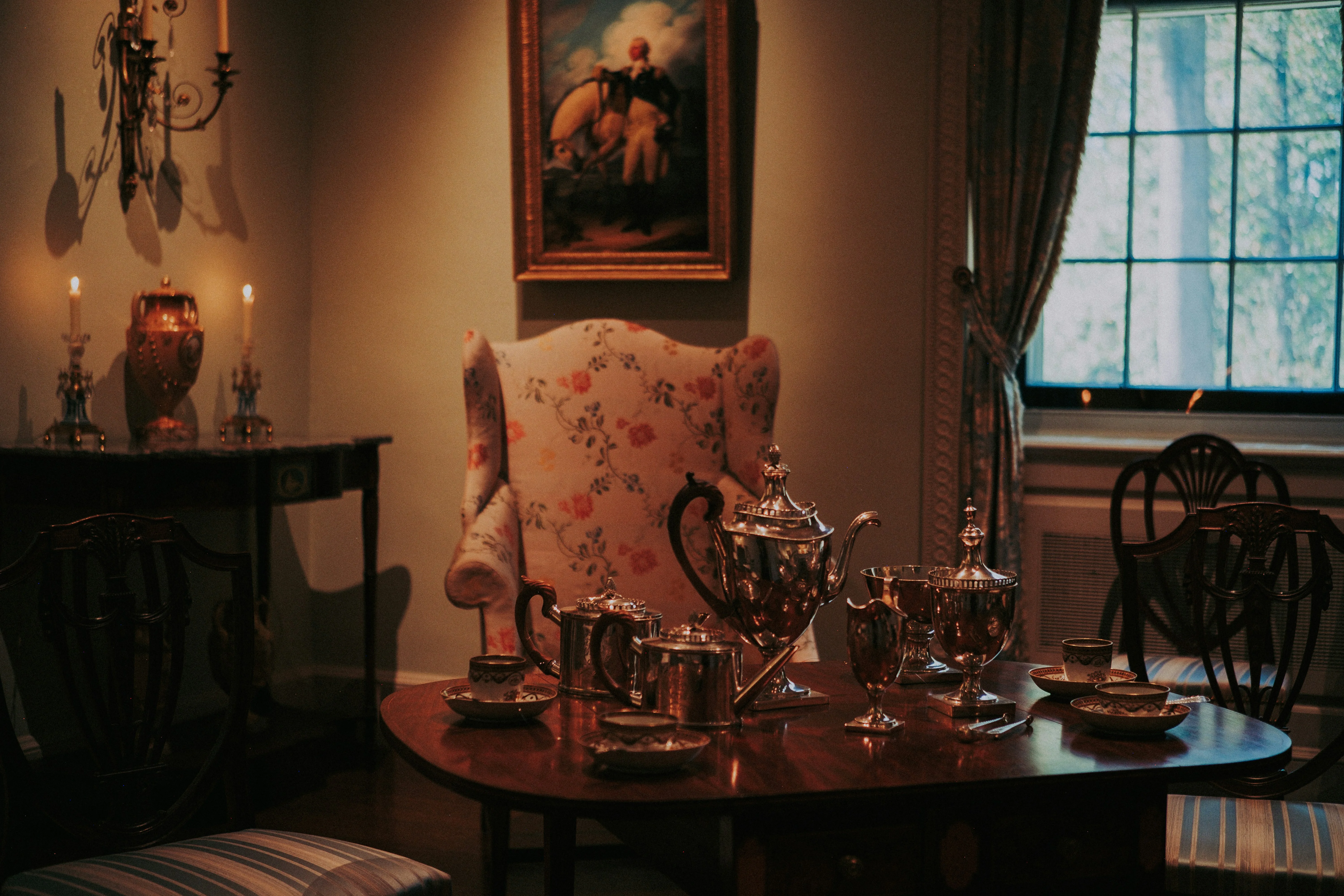
If you want a quick guideline, use this. Less than twenty years old is generally considered used or secondhand. Between twenty and ninety nine years old is usually called vintage. One hundred years or older is considered antique.
This rule is not perfect, but it works in most situations. It also gives you a helpful way to estimate age when browsing estate sales or thrift stores.
Understanding the Distinction
The difference between antique and vintage is not just about age. It is about history, materials, craftsmanship, and the way people lived in different periods.
An antique piece connects you to a world before mass production, when objects were made slowly and meant to last for generations. A vintage piece captures the optimism and experimentation of the twentieth century, when new materials and styles reshaped everyday life.
Both have their place in a home. Both carry stories. And once you understand antique vs vintage, it becomes easier to see those stories in the objects around you.