







In many older rural homes, furniture had to survive daily work, large families, and constant use. Tables were built wide enough for food preparation and family meals. Floors were made from thick boards that could be sanded and refinished. Cabinets were simple because decoration was not a priority.
True farmhouse interiors did not begin as a design trend. They came from practical rural homes where furniture had to survive daily work, large families, and constant use. Tables were built wide enough for food preparation and family meals. Floors were made from thick boards that could be sanded and refinished. Cabinets were simple because decoration was not a priority.
Today, farmhouse interior design is a conscious style choice. People use it to create rooms that feel calm, grounded, and welcoming. Understanding the materials, colors, and defining pieces behind the look makes it much easier to create a space that feels authentic rather than staged.
The Core Idea Behind Farmhouse Style
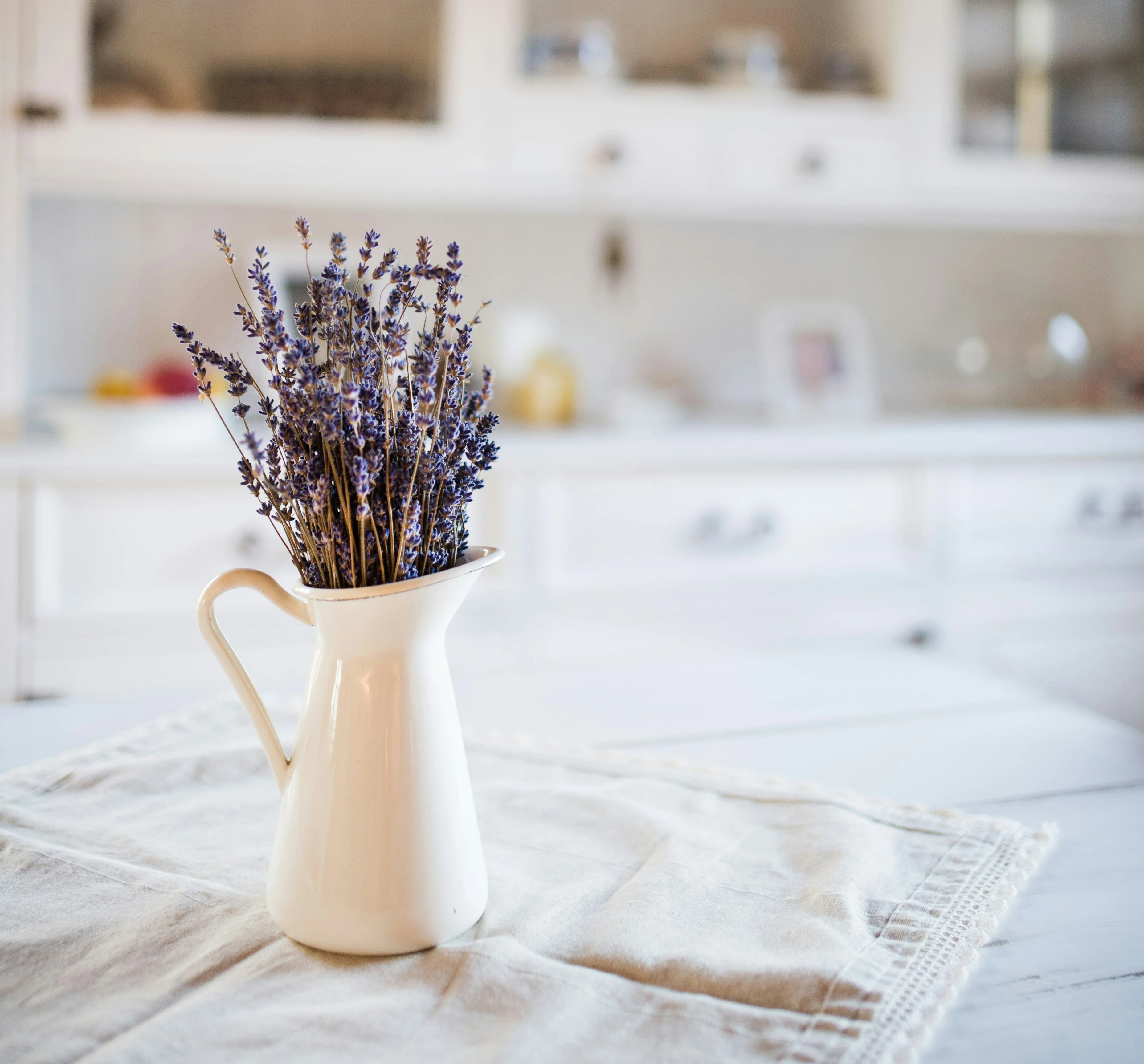
At its heart, farmhouse interior design is built around usefulness. Early farm homes were shaped by routine tasks like cooking, cleaning, storing tools, and gathering as a family. The interior reflected those needs. Furniture was sturdy. Surfaces were easy to repair. Nothing existed purely for decoration.
This practical mindset still defines the style today. A farmhouse room usually includes a few strong, functional pieces rather than many small decorative ones. The focus is on comfort and durability. A large table, a deep sofa, and a simple storage cabinet can define an entire room.
Another key element is time. Farmhouse spaces feel layered. Instead of everything coming from one store, the room suggests that items were added gradually. A table might look older than the chairs. A cabinet might show decades of use. That sense of accumulation is what gives farmhouse interiors their warmth.
Natural Materials That Define the Style
Wood as the foundation
Wood is the single most important material in farmhouse interior design. Early farmhouses relied on whatever timber was available locally. Floors, ceilings, cabinets, and furniture were often made from the same wood.
Wide plank floors are one of the most recognizable features. These boards were cut from large trees and laid across the room without much finishing. Over time, the surface would wear smooth from years of footsteps. That gentle wear is part of what people now try to recreate.
Furniture followed the same approach. Farm tables were made from thick boards. Chairs were simple and sturdy. Cabinets were built to store food or tools rather than to impress visitors. Even today, farmhouse interiors rely on solid wood surfaces to create a sense of weight and permanence.
Stone, brick, and iron
Beyond wood, farmhouse interiors often include other natural materials. Stone and brick appear most often around fireplaces, chimneys, or kitchen walls. These materials were chosen because they were durable and available, not because they were fashionable.
Metal also plays a role. Wrought iron, cast iron, and galvanized steel appear in hardware, light fixtures, and kitchen tools. A black iron light over a dining table or a galvanized bucket used as a planter fits naturally into the style.
These materials share one quality. They age well. Wood darkens, stone softens, and metal develops patina. Farmhouse interior design depends on that gradual aging rather than trying to keep everything looking new.
Finishes and Surfaces
Painted and weathered textures
Early farmhouses often used simple finishes. Wood might be left natural, coated in oil, or painted with milk paint. These finishes were practical and easy to maintain.
Milk paint, in particular, created the soft, matte surfaces often associated with farmhouse furniture. Over time, the paint would chip or fade, creating a worn look that modern designers now try to imitate.
Today, farmhouse interior design still favors finishes that feel slightly weathered. Painted cabinets might show hints of wood grain underneath. A table might have visible knots or light scratches. These details make the room feel relaxed and lived in.
Matte and low shine surfaces
High gloss finishes rarely appear in farmhouse interiors. Instead, surfaces tend to be matte or softly reflective. This includes painted wood, unfinished metals, and natural stone.
Matte finishes help the room feel calm. They also make materials look more authentic. A shiny plastic surface rarely feels at home in a farmhouse space, while a soft painted cabinet or a waxed wood table blends in easily.
The Classic Farmhouse Color Palette
Whites, creams, and soft neutrals
Farmhouse interior design relies on a simple color palette. White walls are common because they reflect light and create a clean background. In older homes, whitewash was an inexpensive way to brighten dark interiors.
Today, soft whites, creams, and light grays serve the same purpose. They make rooms feel open and relaxed. These colors also allow wood tones and textiles to stand out without competing with bold paint.
Neutral walls also help connect different rooms. A farmhouse home often feels cohesive because the colors flow gently from one space to another.
Earth tones and traditional accents
While neutrals dominate, farmhouse interiors often include a few deeper colors. These usually come from nature or traditional paints used in older homes.
Common accent colors include deep green, dusty blue, barn red, mustard yellow, and soft charcoal. These colors might appear on a painted cabinet, a kitchen island, or a set of curtains. They add warmth without overwhelming the room.
In modern farmhouse interiors, accent colors are often used sparingly. A single painted piece can provide all the color a room needs.
Furniture That Creates the Farmhouse Feeling
The farmhouse table
If there is one piece that defines farmhouse interior design, it is the large wooden table. Historically, this table served as the center of family life. Meals were eaten there. Food was prepared there. Children did their work there.
The table was built to last. Thick planks, sturdy legs, and simple joinery were standard. Even today, a large wooden table can anchor a farmhouse kitchen or dining room.
Modern versions often follow the same idea. They are big enough to gather around and simple enough to fit into many types of spaces.
Chairs, benches, and simple seating
Seating in farmhouse interiors tends to be straightforward. Wooden chairs, ladder back chairs, and benches are common. A bench along one side of a table reflects how farm families often sat close together.
In living rooms, seating becomes softer but still substantial. Large sofas, often in neutral fabric, create a relaxed environment. Slipcovers are popular because they are easy to clean and fit the practical spirit of the style.
The overall goal is comfort. Farmhouse seating is meant to be used, not just admired.
Cabinets, hutches, and open storage
Storage pieces are another defining feature. Farmhouses needed places to store food, dishes, and tools, so cabinets and hutches were essential.
Common pieces include wooden cupboards, open shelving, simple dressers used for storage, and wall mounted plate racks. These pieces often show signs of age, such as worn paint or softened edges. In modern homes, they help create the feeling that the space has a history.
Key Architectural Features
Exposed beams and plank walls
Many farmhouse interiors reveal their structure. Exposed ceiling beams, plank walls, and wood paneling were originally practical building methods.
Today, these features are often added to create character. Painted plank walls or simple paneling provide texture without heavy ornament.
These elements work best when used sparingly. One wall of planks or a few ceiling beams usually feels more natural than covering every surface.
Apron front sinks and simple fixtures
The farmhouse sink is one of the most recognizable features of the style. These sinks were originally designed for heavy kitchen use. They are deep, wide, and easy to clean.
Simple metal light fixtures also fit the style well. Black iron pendants, enamel shades, and basic lantern shapes echo the look of early farm lighting.
The key is simplicity. Fixtures should feel practical rather than decorative.
Textiles and Soft Details
Natural fabrics
Farmhouse interiors rely on natural textiles. Cotton, linen, and wool are common choices. These materials were easy to produce and repair, which made them practical for farm families.
Today, these fabrics help maintain the authentic feel of the style. Linen curtains, cotton slipcovers, and wool throws add softness without looking overly polished.
Simple patterns
Patterns in farmhouse design are usually understated. Common examples include gingham, plaid, ticking stripes, and small floral prints. These patterns appear in pillows, curtains, and quilts. They add visual interest while still feeling traditional and comfortable.
Modern Farmhouse vs Traditional Farmhouse
Traditional farmhouse
Traditional farmhouse interiors are more layered and slightly more rustic. They often include darker woods, more patterns, and a mix of older furniture pieces.
These rooms may feel fuller, with more decorative objects and family items on display. The overall impression is warm, personal, and a bit eclectic.
Modern farmhouse
Modern farmhouse interiors are lighter and more restrained. They rely heavily on white walls, neutral fabrics, and fewer decorative pieces.
Furniture tends to have simpler lines, and rooms often feel more open. Modern appliances and lighting are common, but they are chosen in styles that still feel understated.
Both versions share the same core ideas. They focus on comfort, practicality, and natural materials.
What Actually Creates the Farmhouse Feeling
When people try to recreate farmhouse interior design, they often focus on specific items like barn doors or metal signs. While those can help, they are not what truly defines the style.
The real feeling comes from a few basic elements. Solid wood surfaces, neutral and calm colors, comfortable and practical furniture, natural textures, and a sense that the room developed over time all work together to create the farmhouse atmosphere. If those elements are present, the space will feel farmhouse inspired even without obvious themed decorations.
The Lasting Appeal of Farm Style
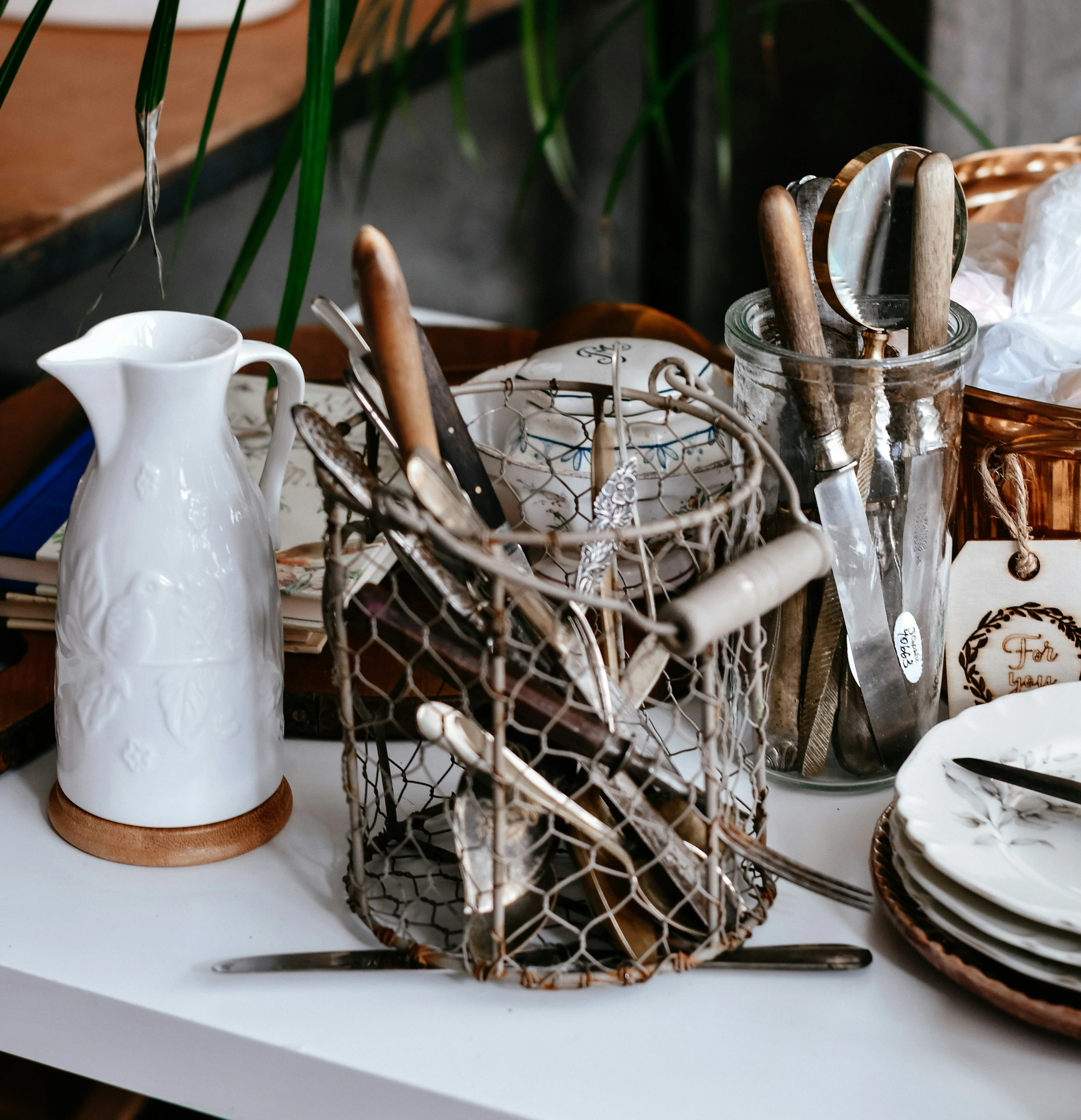
Farmhouse interior design began as a practical response to daily life on working farms. Every table, chair, and cabinet existed because it was needed. That simplicity is what gives the style its lasting appeal.
Today, the look survives because it offers something many people want. It feels calm, familiar, and easy to live with. Nothing is too delicate. Nothing feels temporary.
At its best, a farmhouse interior is not about copying a trend. It is about choosing materials and furniture that feel honest, comfortable, and built to last. Over time, those choices come together to create a home that feels warm, personal, and quietly enduring.