







Instead of limiting a room to a few safe choices, maximalism encourages color, pattern, collections, and personal objects. The goal is not restraint. It is expression.
At first glance, maximalist interiors can look chaotic. Walls are full. Shelves hold books, ceramics, and framed photographs. Sofas carry patterned pillows in different fabrics. But the best maximalist rooms do not feel messy. They feel lively, comfortable, and deeply personal.
Maximalist interior design has appeared many times in history. Victorian parlors were packed with patterned wallpaper, heavy drapes, and decorative objects from around the world. The 1970s brought colorful fabrics, plants, and eclectic furnishings. The 1980s pushed the look even further with bold postmodern shapes and traditional chintz filled rooms.
What connects all of these eras is the idea of abundance. Maximalism is not about filling a room with random objects. It is about building layers of color, texture, and meaning in a way that still feels intentional. This guide explains how that layering works and how to create a maximalist room that feels rich rather than cluttered.
The Core Idea Behind Maximalism
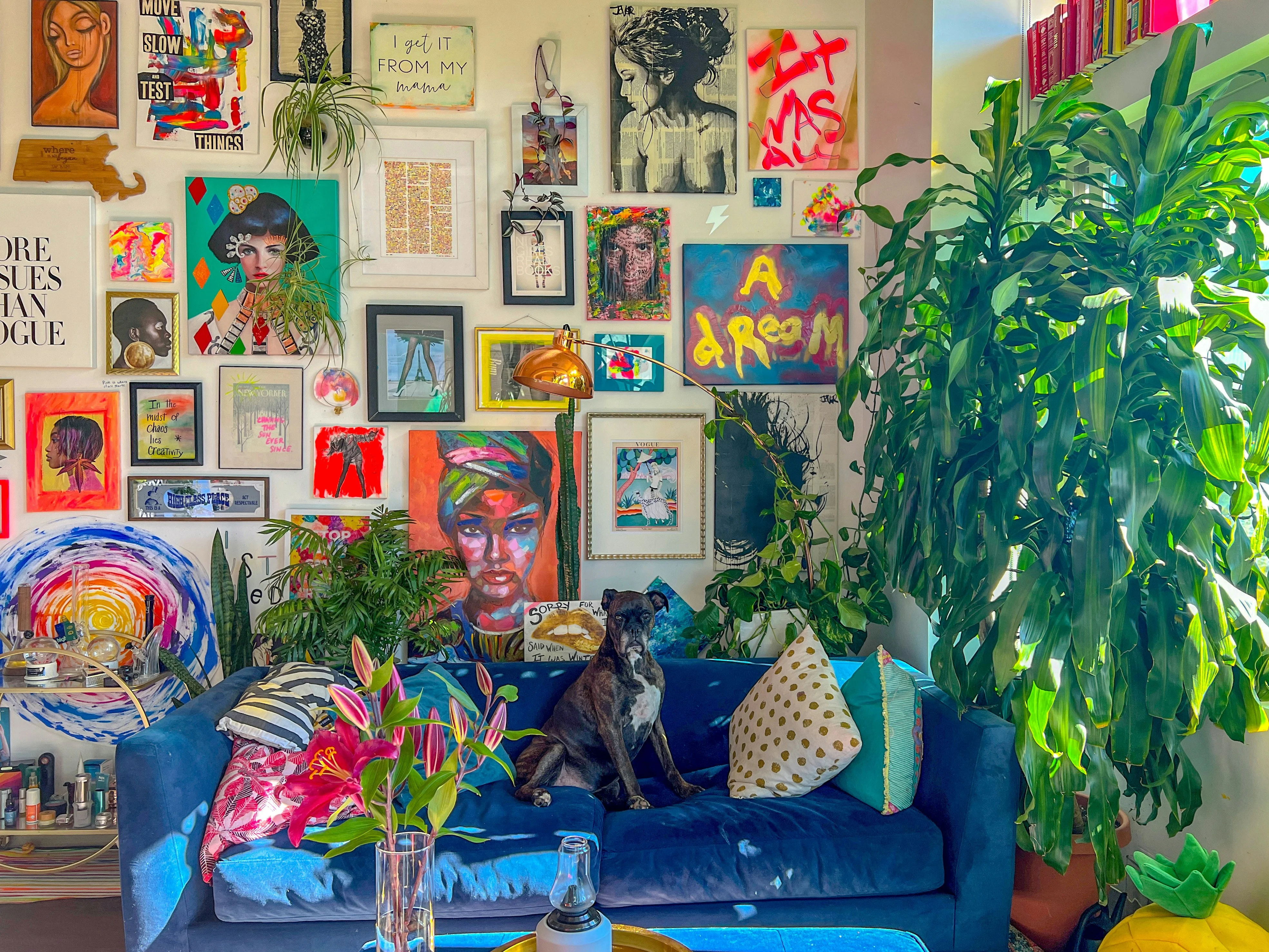
Maximalist interior design starts with personality. Minimalist rooms often aim for calm and uniformity. Maximalist rooms aim for energy and individuality.
Historically, maximalist interiors reflected status and curiosity. Victorian families filled their parlors with objects collected from travels, gifts from relatives, and decorative items from department stores. The room told a story about the household.
That storytelling aspect still defines maximalism today. A maximalist room might include vintage art, books, family photographs, colorful textiles, and objects picked up over decades. Instead of hiding these items in storage, the style encourages displaying them.
The result is a space that feels layered and lived in. It rarely looks perfect or symmetrical. Instead, it feels expressive and human.
Color as the Foundation
Rich and varied palettes
Color is one of the first things people notice in maximalist interior design. Instead of a single neutral tone, the palette usually includes several strong hues.
Historically, the Victorian era used deep colors like burgundy, forest green, and navy. The 1970s introduced brighter tones such as avocado, mustard, and burnt orange. The 1980s experimented with pastels, jewel tones, and bold graphic combinations.
In modern maximalist interiors, color often comes in layers. A room might have painted walls, a patterned rug, colorful art, and bright upholstery all working together. The goal is depth, not uniformity.
How to keep color from feeling chaotic
Even in a colorful room, there is usually some structure. Many successful maximalist spaces rely on a loose color family.
For example, a room might center around warm tones like terracotta, gold, and rust. Another might lean toward cooler shades like navy, teal, and emerald. The colors do not have to match perfectly. They simply need to relate to each other.
Repeating a color in different parts of the room helps everything feel connected. A blue vase on a shelf, a blue stripe in a rug, and a blue accent in a painting can quietly tie the space together.
Layering Patterns Without Overwhelm
Mixing different scales
One of the defining traits of maximalist interior design is pattern mixing. Florals, stripes, geometrics, and animal prints can all appear in the same room.
The secret is scale. Large patterns work best when paired with smaller ones. For example, a bold floral wallpaper might sit comfortably next to a small striped pillow and a subtle patterned rug.
If every pattern is the same size, the room can start to feel noisy. Varying the scale creates rhythm and balance.
Repeating motifs
Another way to keep patterns from clashing is to repeat certain motifs. A room might use several floral patterns in different colors. Another might mix stripes and checks across multiple fabrics.
The repetition helps the eye move comfortably through the space. Instead of feeling random, the patterns start to feel intentional.
Texture and Material Variety
Soft, hard, shiny, and matte
Maximalist interiors rarely rely on a single texture. Instead, they combine many surfaces in one space.
A typical maximalist living room might include a velvet sofa, a wooden coffee table, a brass lamp, a woven rug, ceramic vases, and linen curtains. Each material reflects light differently and feels different to the touch. This variety creates depth and visual interest.
Natural materials and patina
Many maximalist spaces include vintage or natural materials. Wood, brass, glass, and stone all develop character as they age.
A slightly worn wooden cabinet, a tarnished brass tray, or a stack of old books adds warmth. These pieces help ground the brighter colors and patterns around them.
Patina is part of the charm. A room filled with brand new items can feel staged. A mix of older pieces gives the space a sense of history.
Furniture as Anchors
Large pieces create stability
In maximalist interior design, the room still needs structure. This usually comes from a few strong furniture pieces.
A large sofa, a solid dining table, or a tall bookcase can anchor the space. These items give the eye a place to rest amid all the color and detail.
Without these anchors, the room can feel scattered. Strong furniture provides the framework that holds everything together.
Mixing eras and styles
Maximalist rooms often combine furniture from different periods. A mid century chair might sit next to a Victorian cabinet. A modern lamp might rest on an antique table.
The contrast creates energy. It also reinforces the idea that the room developed over time rather than being purchased all at once.
Walls as Display Surfaces
Gallery walls and layered art
Walls play a major role in maximalist interior design. Instead of a single framed print, maximalist spaces often use clusters of art.
Gallery walls might include paintings, photographs, mirrors, decorative plates, and textile pieces. The arrangement is usually dense but balanced. Frames may be different sizes and styles, but they often share a color or material.
Wallpaper and bold backgrounds
Wallpaper is another common feature. Bold florals, geometric patterns, and scenic prints all appear in maximalist interiors.
Wallpaper creates an instant sense of depth. It also sets the tone for the rest of the room. Once the walls carry pattern, other elements can build on that foundation.
Collections and Personal Objects
Displaying what matters
One of the most recognizable aspects of maximalist interior design is the presence of collections.
These might include books, ceramics, vintage cameras, travel souvenirs, and framed family photographs. Instead of hiding these items in cabinets, maximalism encourages putting them on display.
Shelves, mantels, and side tables often hold small arrangements of objects. These displays add personality and help the room feel truly lived in.
Grouping for clarity
Even in a busy room, collections usually appear in groups. Three vases together feel intentional. Ten scattered across the room feel random.
Trays, shelves, and cabinets help organize objects visually. They create small zones that keep the room from feeling cluttered.
Balancing Abundance With Breathing Room
Not every surface needs to be full
One of the biggest misconceptions about maximalist interior design is that every inch must be covered.
In reality, the best maximalist rooms include moments of calm. A plain wall, a simple rug, or an uncluttered tabletop gives the eye a place to rest.
These quieter areas make the colorful, detailed sections feel more dramatic.
Editing without losing personality
Maximalism still requires some restraint. If a room feels overwhelming, removing a few items can make a big difference.
The goal is not to eliminate personality. It is to let the most meaningful pieces stand out.
Sometimes a room improves simply by grouping similar objects together or removing items that do not fit the overall mood.
How Maximalist Interiors Were Used in Real Homes
Historically, maximalist rooms were often the center of social life. Victorian parlors were filled with furniture, artwork, and decorative objects meant to impress guests.
In the 1970s, living rooms became relaxed maximalist spaces. Shag rugs, patterned sofas, and shelves of books created environments that felt cozy and expressive.
Even children’s bedrooms often reflected maximalist ideas. Walls covered in posters, shelves full of toys, and colorful bedding created spaces that felt personal and lively.
In all of these examples, the rooms were meant to be used. People read, talked, and relaxed in them. The abundance of objects was part of daily life, not just decoration.
Why Maximalism Feels Relevant Again
In recent years, many homes have leaned toward minimalism. White walls, neutral furniture, and very few objects became the dominant look.
Over time, some people began to feel those spaces were too quiet or impersonal. Maximalist interior design offers the opposite experience.
It allows people to display their interests, use bold colors, keep meaningful objects in view, and create rooms that feel unique. Social media has also played a role. Colorful, layered rooms tend to attract attention and feel more expressive than neutral ones.
As a result, maximalism has returned as a way to make homes feel warmer and more individual.
When More Feels Right
Maximalist interior design is not about filling a room for the sake of fullness. It is about building layers of color, pattern, and objects that reflect the people who live there.
A room with a velvet sofa, a stack of books, a gallery wall, and a few treasured objects can feel far more inviting than a perfectly empty space.
The most successful maximalist interiors usually develop slowly. A painting from one year, a chair from another, a collection that grows over time. Each addition adds another layer.
In the end, maximalism works best when it feels personal. When the room reflects your taste, your memories, and your curiosities, the layers stop feeling like clutter. They start to feel like home.