







Rooms that feel open, calm, and quietly modern rarely depend on ornate carving or heavy decoration. The appeal is about clean lines, honest materials, and pieces that seem to float lightly in the room.
Mid century modern furniture first appeared in American homes after the Second World War. Families were moving into new houses with open floor plans, larger windows, and a more relaxed way of living. The heavy Victorian and early twentieth century styles felt out of place in those spaces. Furniture had to become lighter, simpler, and easier to live with.
Over time, the look became so familiar that it now reads as timeless. A walnut credenza with tapered legs still looks modern in a contemporary apartment. A molded lounge chair from the 1950s does not feel old fashioned. It simply feels like good design.
This guide explains the core shapes, woods, and proportions that define MCM furniture, along with practical advice for spotting quality pieces in the wild.
The Core Shapes That Define MCM Furniture
Low, horizontal profiles
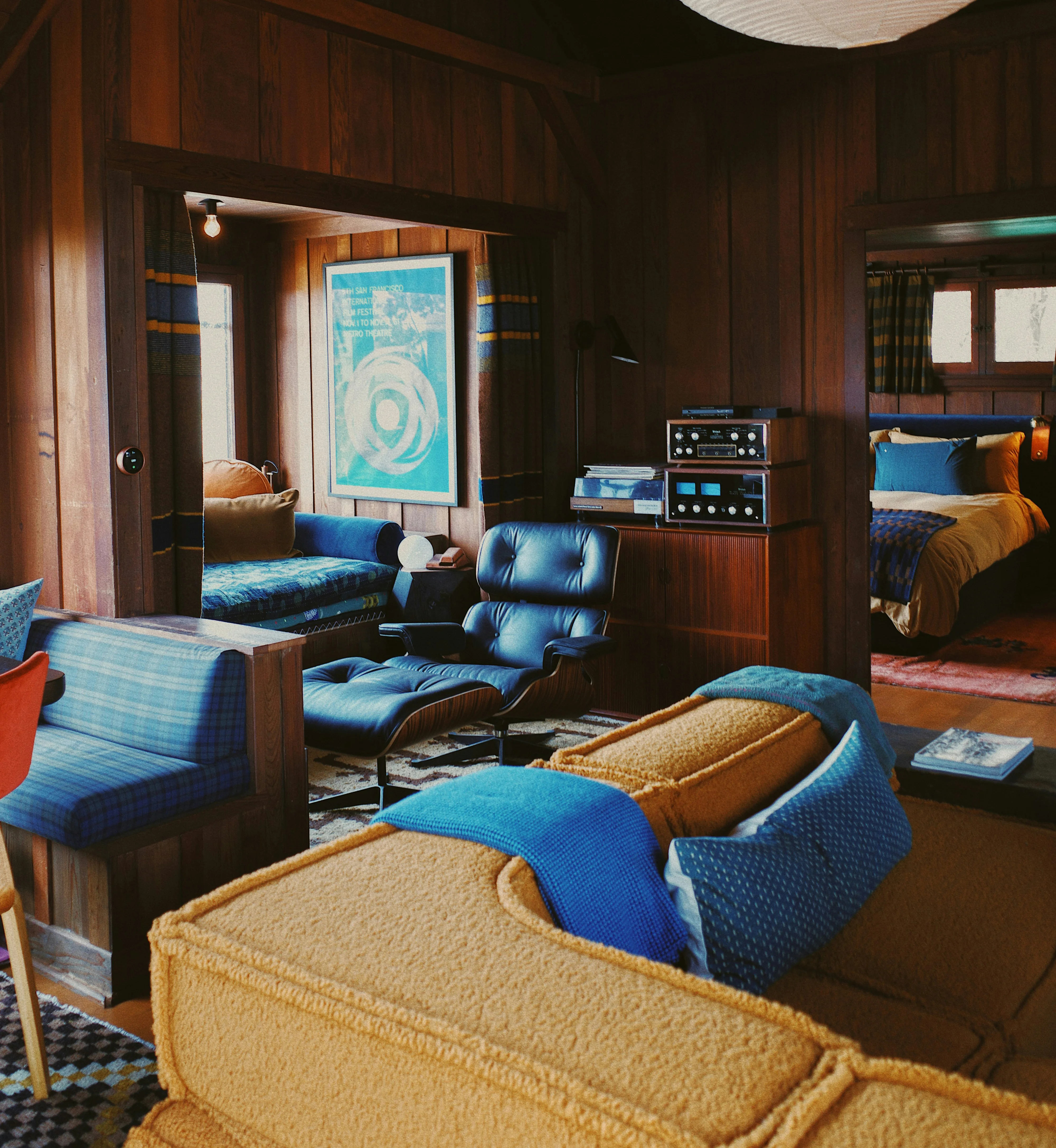
One of the most recognizable traits of MCM furniture is its low stance. Sofas, credenzas, and tables often sit closer to the floor than earlier furniture styles. This creates a strong horizontal line across the room.
The effect feels relaxed and architectural at the same time. Instead of towering cabinets and high backed chairs, mid century rooms emphasized long, low silhouettes. These shapes worked especially well in homes with large windows, where the view outside became part of the room.
A typical mid century credenza might stretch six or seven feet across the wall, but only stand a couple of feet high. The piece reads as wide and grounded rather than tall and imposing.
Tapered and splayed legs
Another defining feature of MCM furniture is the leg shape. Many pieces stand on slender, tapered legs that angle slightly outward.
This detail does two important things. First, it makes the furniture appear lighter, as if it is lifting itself off the floor. Second, it creates a subtle sense of motion, even when the piece is completely still.
You will see this on dining chairs, coffee tables, sideboards, and even beds. The legs are usually simple, without carving or ornament, but their proportions matter. Thin legs with clean angles are one of the easiest ways to recognize authentic mid century forms.
Organic and geometric curves
While many mid century pieces rely on straight lines, the era also embraced soft curves and sculptural shapes. Lounge chairs with rounded backs, kidney shaped tables, and shell style seating all became popular.
These forms were influenced by advances in manufacturing. New techniques allowed designers to bend plywood, mold fiberglass, and create shapes that were difficult to carve from solid wood.
The result was a mix of geometry and organic curves. A room might include a rectangular walnut table alongside a rounded lounge chair. The contrast gave spaces a sense of energy without feeling chaotic.
The Woods and Materials You See Most Often
Walnut, teak, and other warm toned woods
Wood is central to the look of MCM furniture. The most common species are walnut and teak, both known for their warm brown tones and visible grain.
Walnut became extremely popular in the United States during the 1950s and 1960s. It has a deep, chocolate brown color that works well with both neutral and bold fabrics. Teak, which was widely used in Scandinavian designs, has a slightly lighter, golden brown tone and a very straight grain.
You may also encounter maple, birch, oak, and rosewood. These woods appear in everything from dining tables to bedroom sets. Even when veneers were used, the goal was to showcase natural grain rather than hide it under heavy stain or paint.
Veneer over solid cores
Many mid century pieces use wood veneer over a plywood or composite core. This is not a sign of poor quality. It was a practical solution that allowed manufacturers to create wide, stable surfaces while still showing beautiful grain.
For example, a long credenza might have a solid wood frame with walnut veneer panels. The veneer allowed for consistent color and pattern without the cost and weight of solid boards across the entire surface.
When well cared for, veneer can last for decades. The key is thickness and craftsmanship. High quality vintage pieces often have thicker veneers and carefully matched grain patterns.
Metal, glass, and early plastics
MCM furniture also embraced new materials. Chrome, steel, glass, and molded plastics began appearing in everyday homes.
Dining chairs might have fiberglass shells with metal legs. Coffee tables often used glass tops to keep the room feeling open. Desk chairs might combine vinyl upholstery with tubular steel frames.
These materials reflected the optimism of the period. They felt modern, efficient, and forward looking. Even today, a mix of wood and chrome still reads as distinctly mid century.
Proportions and the Logic Behind the Design
Furniture made for open plans
Postwar homes were different from earlier houses. Rooms were more open, and families used spaces in a more casual way. Furniture had to adapt to those changes.
Instead of formal parlors with delicate seating, living rooms became places for television, conversation, and everyday use. Sofas were longer and lower. Coffee tables were wider. Storage pieces like credenzas replaced bulky china cabinets.
The proportions of MCM furniture reflect this shift. Pieces were designed to work together in open spaces rather than sit against every wall like separate monuments.
Function before decoration
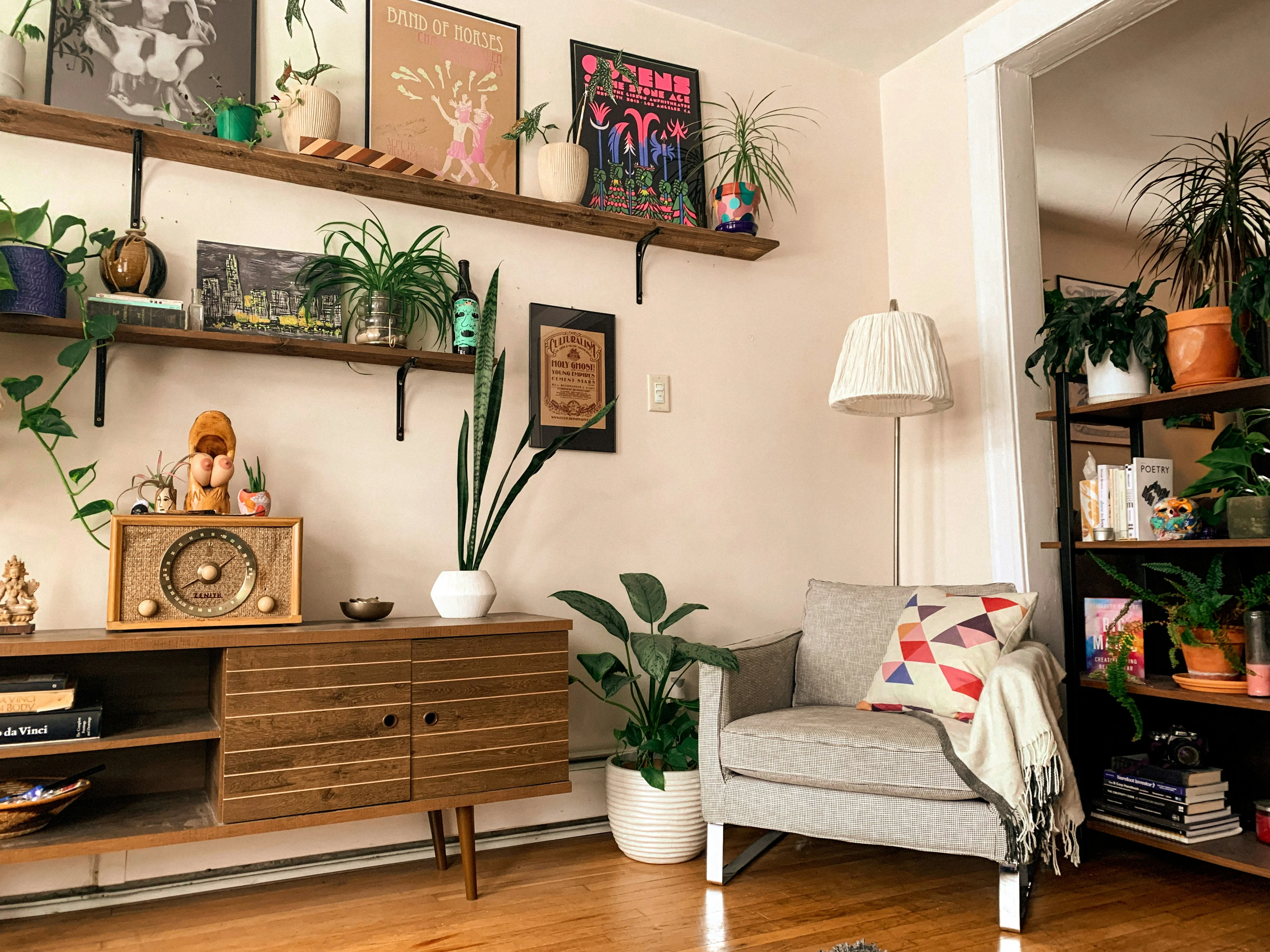
Mid century designers believed that furniture should serve its purpose first. Decoration came from the shape and material rather than applied ornament.
You rarely see carved scrolls or heavy moldings on MCM pieces. Instead, the beauty comes from clean lines, balanced proportions, and natural grain.
A well designed mid century chair might use just a few parts. A curved seat shell, four slender legs, and a simple frame. Nothing extra is needed because the form itself is pleasing.
This approach makes the furniture feel modern even decades later. The simplicity keeps it from looking tied to a specific trend.
Common MCM Furniture Types You Will See
Credenzas and sideboards
The long, low credenza is one of the most iconic pieces of MCM furniture. These storage units often feature sliding doors, simple pulls, and clean fronts without extra carving.
They were used in dining rooms, living rooms, and even bedrooms. Their horizontal shape made them ideal for open plan homes, and their storage capacity helped keep spaces uncluttered.
Today, credenzas are still popular as media consoles, entry pieces, or dining storage.
Dining sets with tapered legs
Mid century dining tables are usually simple rectangles or rounded shapes with thin tops and tapered legs. Chairs often have curved backs or molded seats.
Many sets were designed to be compact and practical. Some tables included leaves to extend for larger gatherings. Chairs were lightweight enough to move easily.
These sets were made for everyday family meals rather than formal entertaining, which is why they still feel comfortable and approachable.
Lounge chairs and occasional tables
Lounge chairs were an important part of mid century living rooms. Designers experimented with new shapes and materials, resulting in iconic forms that still appear in modern homes.
You might see a molded plywood chair with a curved back, a fiberglass shell chair with metal legs, or a low upholstered lounge chair with wooden arms.
Occasional tables were often simple in shape. Round, rectangular, or kidney shaped tops with slender legs were common. Many were light enough to move around the room as needed.
How to Spot Quality MCM Furniture
Check the joinery and construction
Quality mid century pieces usually show careful construction. Open the drawers and look at the joints. Dovetail joints are a good sign of solid craftsmanship.
Look at the underside of tables and chairs. The frames should feel sturdy, not flimsy. Legs should be firmly attached and not wobble.
If the piece feels unusually light or hollow, it may be a modern reproduction made with cheaper materials.
Look for maker marks and labels
Many authentic MCM pieces carry labels from their manufacturers. These are often found inside drawers, on the back panels, or under the seat of a chair.
Common names include Herman Miller, Knoll, Lane, Broyhill, Drexel, and Heywood Wakefield. Even if the piece is not from a famous designer, a clear label helps confirm its age and origin.
Over time, labels can fall off. In those cases, construction details and materials become the main clues.
Watch the veneer and finish
Good veneer should lie flat and feel smooth. Small scratches are normal for older pieces, but large bubbles, peeling, or missing sections can be difficult to repair.
The finish should look natural rather than thick or glossy. Many mid century pieces used oil or satin finishes that allowed the grain to show through.
If the wood looks unusually orange, plastic, or overly shiny, it may have been refinished poorly or may not be vintage at all.
Why MCM Furniture Still Feels Modern
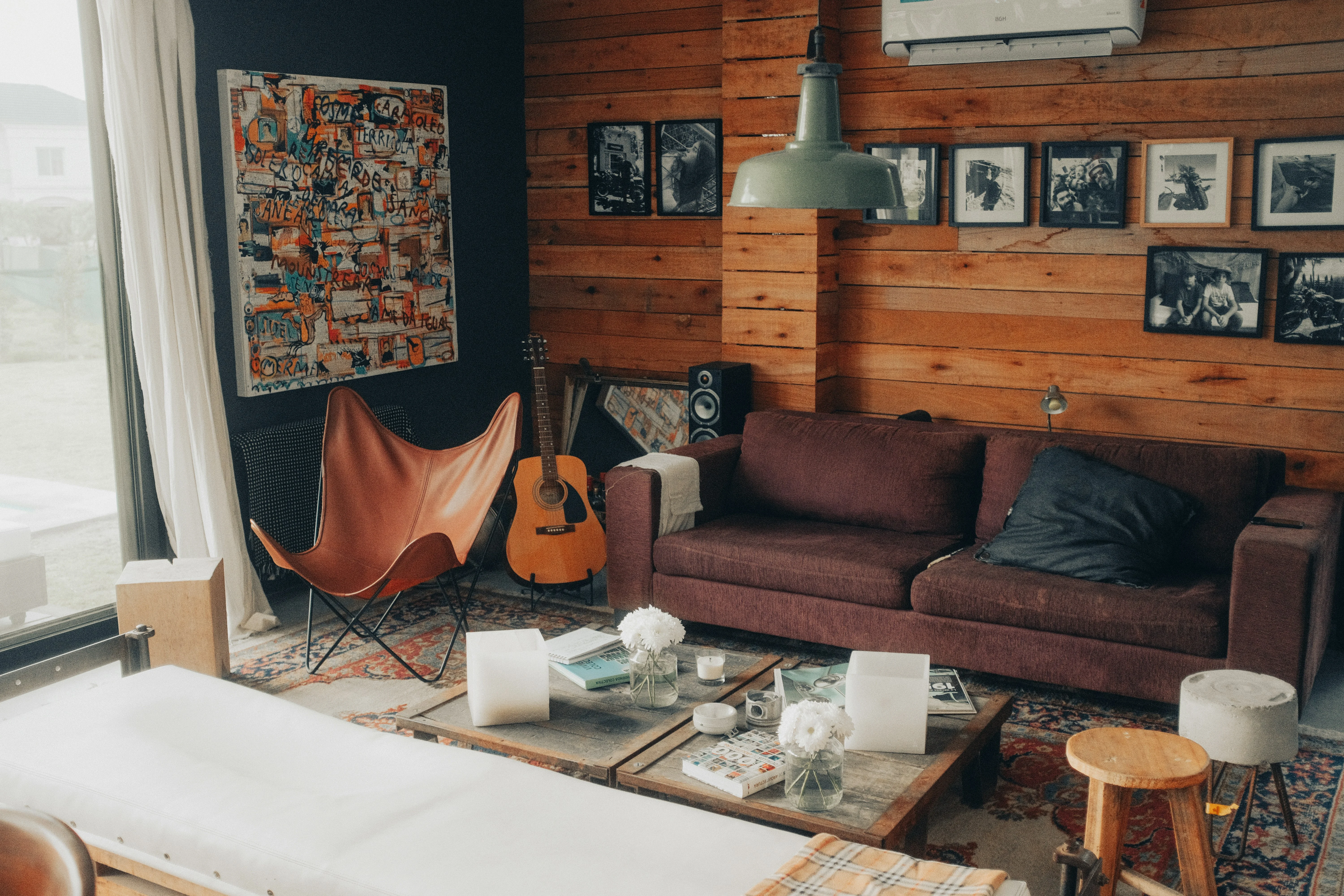
Mid century furniture was designed to be practical, comfortable, and easy to live with. Those goals have not changed much over time.
The clean lines fit well in small apartments as well as large houses. The warm woods pair nicely with both vintage and contemporary pieces. The simple shapes do not compete with art or architecture.
Because the design relies on proportion and material rather than decoration, it ages gracefully. A credenza from 1962 can sit in a modern living room without looking out of place.
That is part of the reason MCM furniture continues to appeal to new generations. It feels familiar, functional, and quietly optimistic.
Why Mid Century Still Feels Modern
MCM furniture is easy to appreciate once you understand its logic. Low profiles, tapered legs, warm woods, and simple shapes all work together to create rooms that feel open and calm.
The style was never meant to be precious or overly formal. It was designed for everyday life in bright, modern homes. That practicality is part of what keeps it relevant today.
If you keep an eye on shape, materials, and construction, it becomes much easier to spot quality pieces. Over time, a room built from a few well chosen mid century forms starts to feel natural, collected, and quietly modern.