






Rooms that feel personal, not sterile, often carry the personality of their era. Modern bathrooms chase a single idea of perfection. White surfaces, frameless glass, and polished stone can look clean, but they sometimes feel anonymous.
These rooms were not designed to look like spa retreats. They were built for real daily routines, and their colors, materials, and layouts reflected the hopes and habits of the time. A pink tile bathroom from the 1950s tells a very different story than an all white room from the 1910s or an avocado green space from the 1970s.
If you look closely, most vintage bathrooms are easy to date. The tile size, the color of the fixtures, and the type of hardware all give clues. Learning those patterns helps you decide what to keep, what to restore, and what to replace with modern equivalents.
This guide walks through the main vintage bathroom eras, explains their key features, and offers practical ideas for creating an era inspired space that still works for everyday life.
The Main Eras of the Vintage Bathroom
1900s to 1910s: The all white sanitary room
The earliest modern American bathrooms were built around the idea of visible cleanliness. Germ theory was becoming widely accepted, and designers believed that white surfaces made dirt easier to spot and remove.
Fixtures were almost always white porcelain. Freestanding clawfoot tubs were common, along with pedestal sinks and high tank toilets. Exposed pipes were part of the design and were often finished in nickel, which had a slightly warm tone.
Floor tile was usually small white hexagon pieces. Walls were covered in white subway tile, often halfway or all the way to the ceiling. The effect was bright, reflective, and very clean. These rooms were simple, practical, and focused on hygiene above all else.
1920s to 1930s: Color and Art Deco influence
The late 1920s introduced colored fixtures for the first time. Manufacturers began offering toilets, sinks, and tubs in soft pastels like green, lavender, and peach. These colors were more expensive than white, so many homes used colored tile with white fixtures instead.
Art Deco design also influenced the look of bathrooms. Shapes became more geometric. Borders and accent tiles appeared, sometimes in bold black and white combinations.
Chrome hardware replaced nickel during this period. It had a cooler, brighter finish that matched the streamlined look of the time. Built in tubs replaced most clawfoot models, and console sinks with chrome legs became popular.
1940s: Simple and transitional
World War II changed everything. Materials like steel and copper were needed for the war effort, so civilian construction became simpler and more practical.
Bathrooms from the 1940s often used plain square tile instead of decorative patterns. Colors were more subdued, including burgundy, gray, and darker greens. Chrome hardware remained standard.
These rooms feel quieter than the ones before and after them. They lack the ornament of the 1930s and the cheerful pastels of the 1950s, but they have a sturdy, practical character.
1950s: The golden age of pastel bathrooms
The 1950s are the era most people imagine when they picture a vintage bathroom. Postwar housing booms brought millions of new suburban homes, and bathrooms became brighter and more cheerful.
Pastel colors dominated. Pink, mint green, baby blue, and soft yellow appeared everywhere. In many homes, the toilet, sink, and tub all matched the tile color.
Square wall tile became standard, often with a contrasting border near the top. Built in ceramic accessories were common. Soap dishes, toothbrush holders, toilet paper holders, and small shelves were all set directly into the tile.
These bathrooms felt optimistic and domestic. They were designed to make everyday routines feel pleasant and modern.
1960s: Bolder colors and modern materials
The 1960s moved away from pastels and toward stronger, more saturated colors. Bright greens, deep blues, and coral tones became popular.
Vanities replaced many pedestal sinks. Wood or laminate cabinets appeared under the sink, creating more storage and a more furniture like appearance.
New materials also entered the bathroom. Fiberglass tub surrounds, laminate countertops, and sheet vinyl floors made construction faster and cheaper. Lighting became more dramatic, with multi bulb vanity fixtures over large mirrors.
1970s: Earth tones and comfort
The 1970s bathroom embraced warm, earthy colors. Avocado green, harvest gold, burnt orange, and chocolate brown were everywhere.
Wallpaper became common, often in large floral or geometric patterns. Some bathrooms even included carpet, along with matching toilet seat covers and contour rugs.
Fixtures were sometimes paired with gold tone hardware for a more dramatic effect. Sunken tubs and larger bathrooms appeared in higher end homes.
These rooms feel cozy and relaxed, though some of the materials have not aged as gracefully as earlier tile and porcelain.
Tile: The Backbone of the Vintage Bathroom
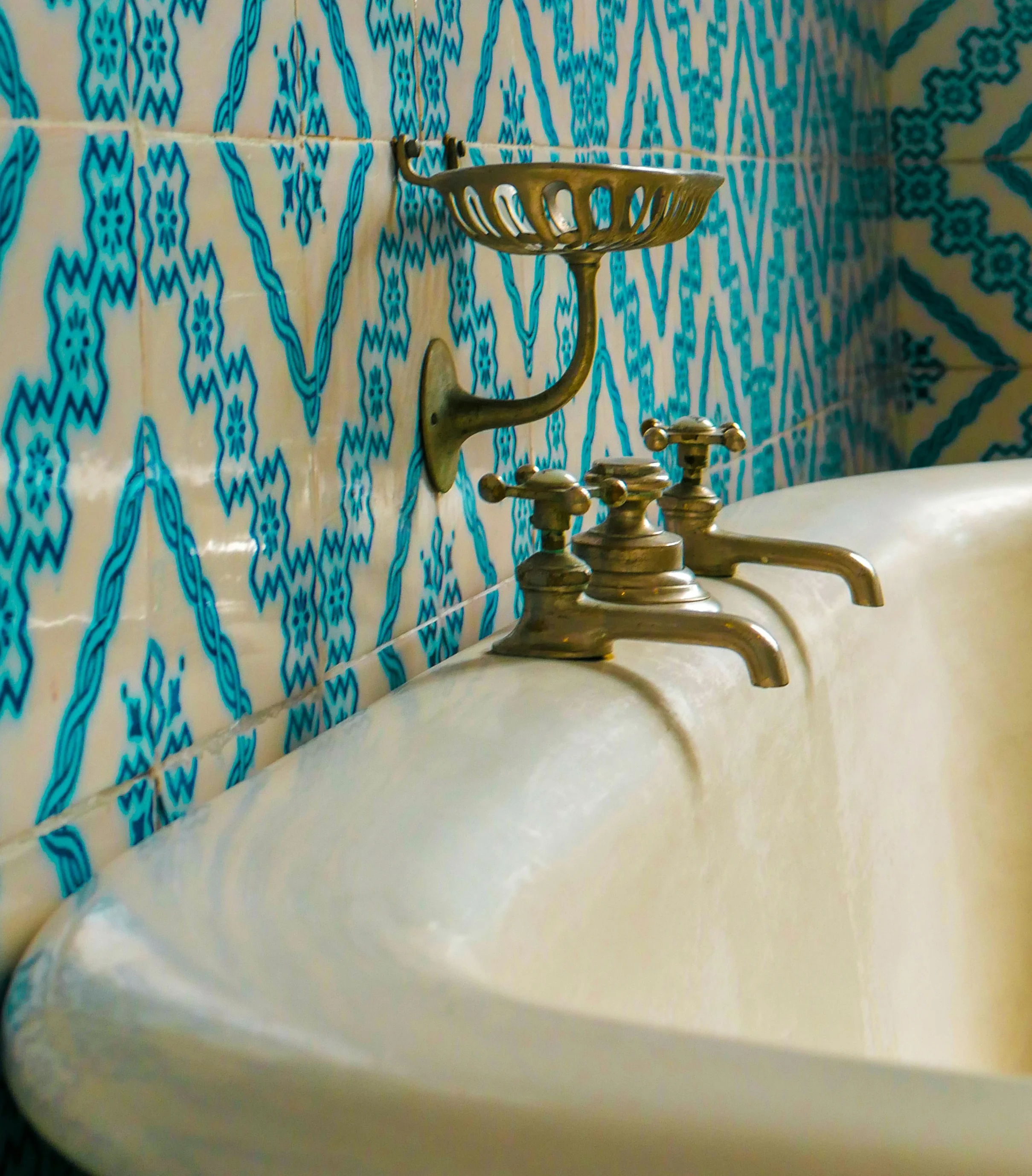
Tile is often the most defining feature in a vintage bathroom. It covers large surfaces and usually remains intact for decades.
Early bathrooms used small hexagonal floor tiles and white subway tile on the walls. These installations were built over thick mortar beds and tend to last a very long time.
By the 1950s, square tile in pastel colors became the standard. Many of these rooms also included decorative borders or contrasting trim pieces.
The 1970s introduced more textured tile and deeper colors. Earth tones replaced the lighter pastels, and patterns became more expressive.
When working with a vintage bathroom, the tile is usually the most valuable element to keep. Replacing it is expensive, and the quality of older installations is often better than modern alternatives.
Fixtures: Color, Shape, and Materials
Bathroom fixtures reveal a lot about the era.
Early twentieth century bathrooms used white porcelain fixtures with simple shapes. Clawfoot tubs and pedestal sinks were the norm.
The late 1920s introduced colored fixtures, though they were often seen as a luxury upgrade. By the 1950s, pastel fixtures were everywhere, and matching color suites became common.
The 1960s and 1970s introduced bolder colors and new materials. Enameled steel tubs, fiberglass surrounds, and laminate vanities became widespread.
Most vintage fixtures were made from vitreous china or cast iron. These materials were heavy and durable, which is why many still survive today.
Hardware and Finishes
The finish on the faucets and hardware is one of the easiest ways to date a vintage bathroom.
Nickel was common before the 1930s. It has a slightly warm, yellow silver tone. Chrome took over in the 1930s and remained dominant through the 1970s. It has a cooler, brighter appearance.
The 1970s introduced gold tone finishes, especially in more dramatic or luxury bathrooms. Polished brass fixtures paired with earth tone tile created a rich, warm look.
When restoring a vintage bathroom, matching the hardware finish to the era helps the room feel more authentic.
Layouts and Everyday Use
Early bathrooms were often small and purely functional. Many homes had only one bathroom, and it was used by the entire family.
By the 1950s, the standard suburban bathroom measured about five by seven feet. It usually included a tub with a shower, a toilet, and a sink.
The second bathroom became more common in the 1960s and 1970s. Master bathrooms and powder rooms appeared in larger homes.
Understanding these layouts helps when planning an era inspired renovation. A vintage bathroom usually feels compact, efficient, and practical rather than oversized or luxurious.
What Is Worth Keeping
If you are lucky enough to have a vintage bathroom, some elements are almost always worth preserving.
Original tile is usually the most valuable feature. It is expensive to replace, and the craftsmanship is often superior to modern installations.
Cast iron tubs are another asset. They are extremely durable and can be refinished if needed. Many will last for generations with proper care.
Built in ceramic accessories, such as soap dishes and towel bar holders, also add character. These small details are difficult to replicate convincingly.
Matching colored fixtures can be especially valuable, particularly in pink, blue, or mint green.
What Can Be Replaced with Modern Equivalents
Not everything in a vintage bathroom needs to stay.
Faucets and shower valves can be updated with modern versions that match the original finish. This improves water efficiency and reliability.
Lighting is another easy upgrade. Period inspired fixtures can replace outdated or unsafe wiring while preserving the vintage feel.
Mirrors, paint, and textiles are also flexible elements. These can be changed to refresh the room without affecting its core character.
The general rule is simple. Keep the expensive, permanent elements. Update the smaller, reversible ones.
Simple Era Inspired Ideas
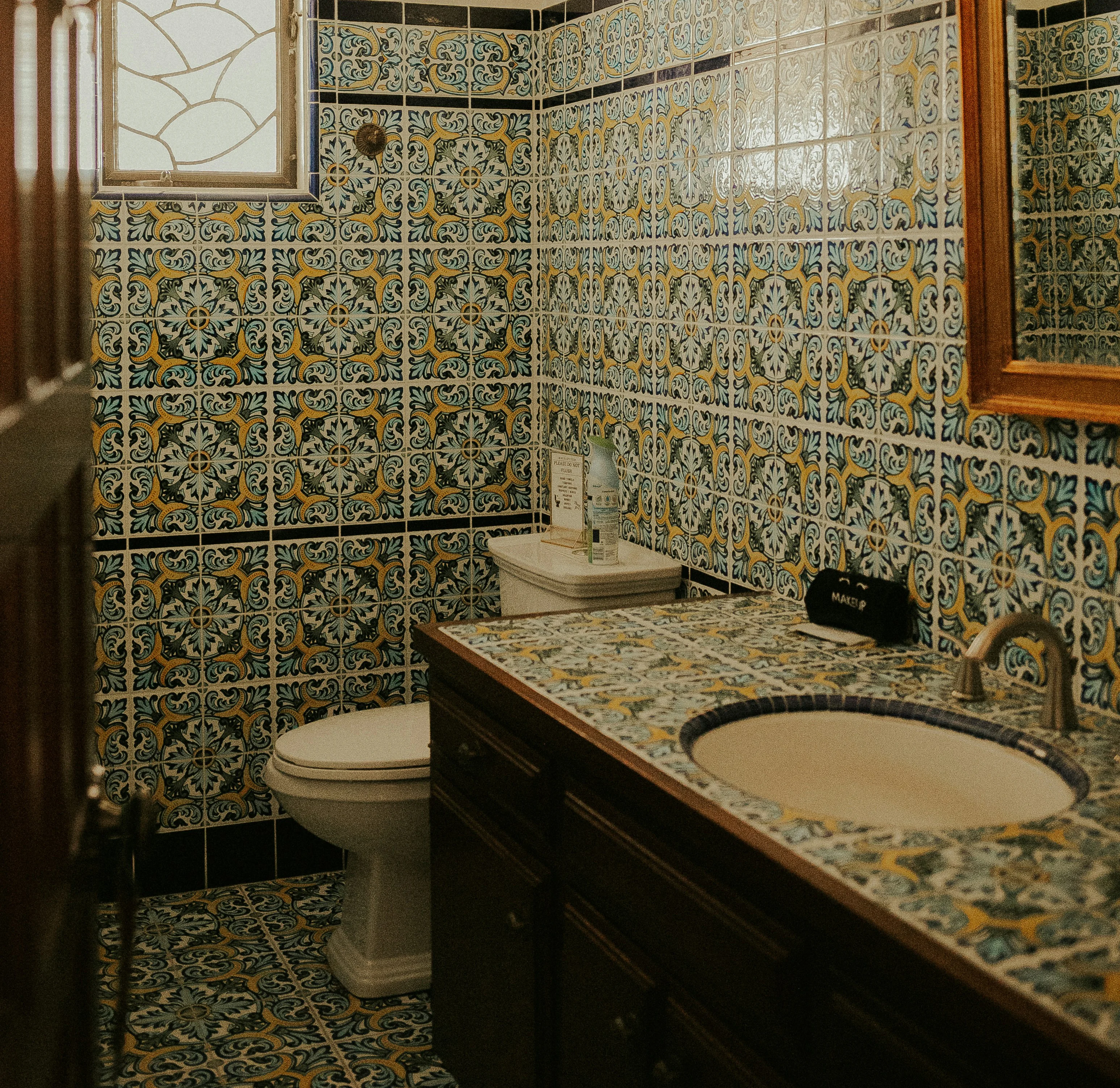
If you do not have an original vintage bathroom, you can still borrow ideas from the past.
A 1950s inspired bathroom might use soft pastel tile, chrome fixtures, and a simple framed mirror. A pedestal sink and a few built in accessories complete the look.
A 1930s style room might feature black and white tile, geometric patterns, and chrome hardware. The effect feels crisp and slightly formal.
A 1970s inspired space might use warm earth tones, textured tile, and wood accents. The result is cozy and relaxed.
In each case, the key is consistency. Choose one era and let the colors, materials, and fixtures support that mood.
Preserving Personal History
A vintage bathroom is more than a collection of old fixtures. It is a small record of how people once lived, bathed, and decorated their homes.
The colors, tile, and hardware all reflect the values of their time. Some eras favored pure white cleanliness. Others embraced cheerful pastels or warm earth tones.
When you preserve or recreate a vintage bathroom, you are not just choosing a style. You are keeping a piece of everyday history alive. And in many homes, those older rooms still feel warmer and more personal than anything built today.