






A single pink plate, a heavy old tumbler, or a colored decanter can change the entire feeling of a table. These pieces carry the visual language of their time, whether that time was the hardship of the 1930s or the cocktail optimism of the 1950s.
Vintage glassware is not one single style. It includes Depression era pressed glass, mid century barware, heavy everyday tumblers, elegant cut crystal, and sculptural art glass. Each type was made for a different purpose, and each one reflects the habits of the people who used it.
If you spend time at estate sales or thrift stores, you start to recognize the patterns. Certain glasses appear in stacks, while others disappear immediately. Some feel fragile and thin. Others feel heavy and almost architectural. Learning these differences helps you choose pieces that are both attractive and practical.
This guide breaks down the main types of vintage glassware, explains how they were used in real homes, and offers practical advice on identification and care.
The Main Types of Vintage Glassware
Depression Era Pressed Glass
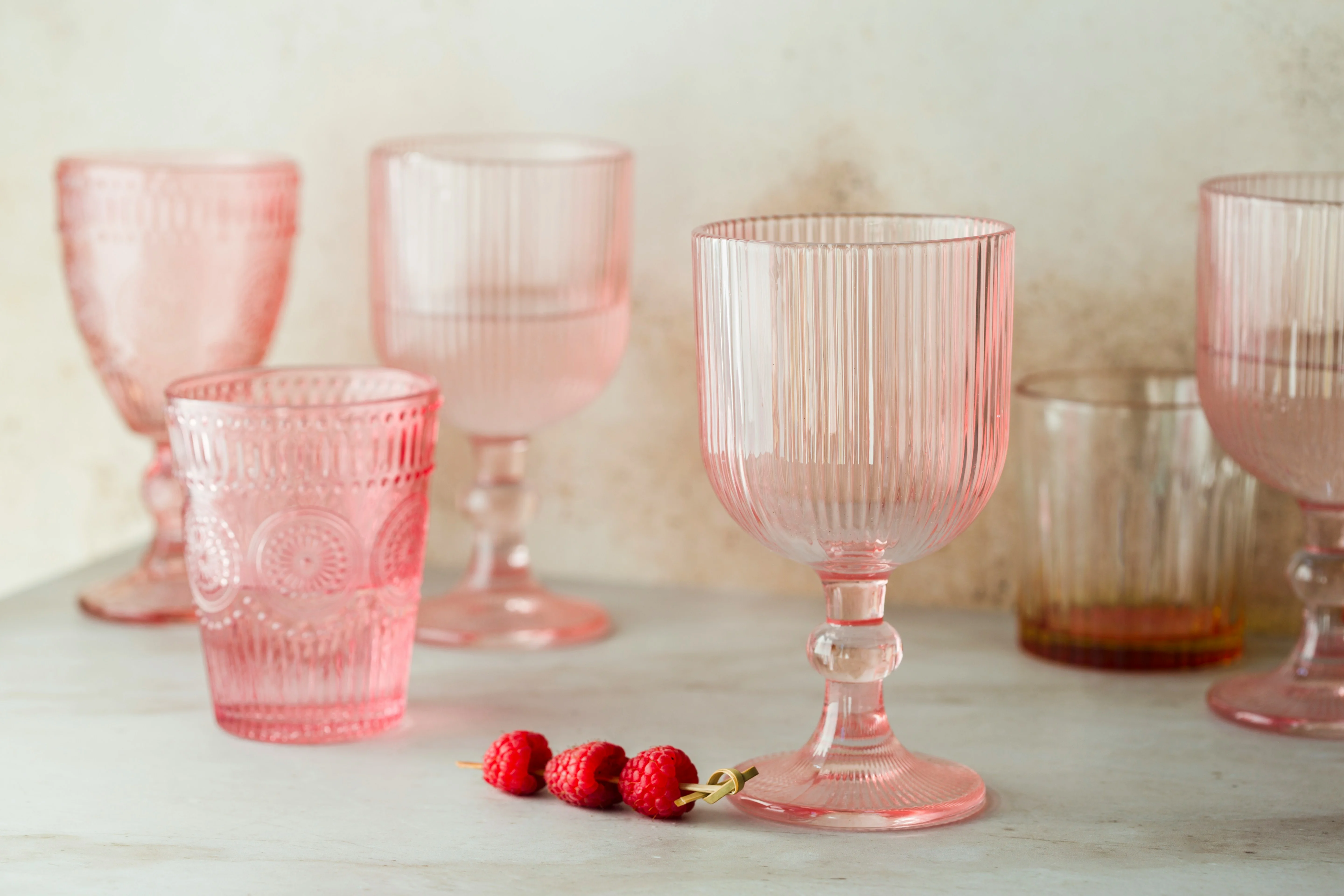
Depression glass is one of the most recognizable forms of vintage glassware. It was produced from the early 1920s through the 1940s using machine pressing techniques that allowed factories to produce large quantities at extremely low cost.
The glass was often thin, lightweight, and molded with decorative patterns. Common colors included pink, green, amber, and clear crystal. The color itself was part of the appeal. In difficult economic times, colored glass made an ordinary meal feel more cheerful.
Much of this glass was not even sold in traditional ways. It was given away at movie theaters, packed into boxes of oatmeal, or handed out at gas stations. Families built entire sets piece by piece. Plates, bowls, cups, and serving dishes gradually accumulated over time.
Today, Depression glass is still one of the most accessible forms of vintage glassware. You can often find individual pieces at thrift stores for just a few dollars, though rare patterns and colors can be much more valuable.
Everyday Mid Century Tumblers
By the 1950s and 1960s, American homes were changing. Families moved into suburban houses, and daily life became more casual. Everyday glassware followed that shift.
Mid century tumblers tend to be thicker and sturdier than Depression era pieces. Many were clear, while others featured simple geometric patterns, frosted finishes, or bold colors. These were not fragile display pieces. They were meant to be used every day.
You often find them in sets of four, six, or eight at estate sales. They were stored in kitchen cabinets, used for juice in the morning, water at dinner, and iced tea on hot afternoons. Because they were used constantly, many surviving examples show light scratches and wear on the base.
These tumblers are some of the easiest vintage glassware pieces to incorporate into modern kitchens. They are practical, durable, and often inexpensive.
Mid Century Barware
Mid century barware reflects a completely different side of vintage glassware. Instead of daily meals, these pieces were designed for entertaining.
In the 1950s and early 1960s, the cocktail party became a central part of suburban social life. Bar carts appeared in living rooms. Decanters, highball glasses, and cocktail shakers became symbols of hospitality and style.
Glassware from this era often features bold shapes and colors. Tall decanters with sculptural stoppers, colored pitchers, and sets of matching highball or rocks glasses were common. Some were hand blown. Others were mold blown into simple forms with strong silhouettes.
These pieces were often displayed even when not in use. A decanter filled with colored liquid or a row of matching glasses on a bar cart served as decoration as much as function.
Milk Glass and Opaque Tableware
Milk glass is another major category of vintage glassware. It is opaque rather than transparent, usually in white or pale colors. The surface is smooth and soft looking, almost like porcelain.
This type of glass was popular from the 1940s through the 1970s. It appeared in dinnerware, serving pieces, vases, and decorative items. Some of the most famous patterns include hobnail textures and simple geometric shapes.
Milk glass was often used in everyday settings. Bowls held fruit on kitchen tables. Vases sat on windowsills. Covered dishes appeared at family gatherings. It was practical and decorative at the same time.
Because it was widely produced, milk glass is still easy to find. It works well in kitchens and dining rooms where you want a clean, vintage look without too much color.
Decorative and Art Glass
Decorative glass includes hand blown vases, sculptural bowls, and brightly colored art pieces from the mid century and later. These were not meant for everyday use. They were display objects.
Many of these pieces were made by regional glass companies in places like West Virginia, Pennsylvania, and Ohio. Others came from European studios, especially from Murano in Italy.
Art glass is usually thicker and heavier than pressed glass. It often shows signs of hand work, such as a pontil mark on the bottom where the glass was detached from the blowpipe. Colors are typically bold and saturated, with deep blues, ambers, and greens.
These pieces were commonly displayed on mantels, coffee tables, and sunny windowsills where light could pass through the glass.
How Vintage Glassware Was Used in Real Homes
Understanding how vintage glassware was actually used helps you display it in ways that feel natural.
During the Depression era, glassware was part of everyday meals. Families used their pink or green plates for breakfast, lunch, and dinner. There was no sense of collecting for display. The pieces were simply part of daily life.
By the 1950s, the role of glassware began to split into two categories. Everyday tumblers and dishes stayed in the kitchen, while decorative glass and barware moved into living rooms and dining areas.
A typical mid century home might have had clear tumblers in the kitchen cabinets, milk glass serving bowls on the table, and a colorful decanter set on a bar cart in the living room. Glass was both practical and decorative, depending on the piece.
China cabinets and open shelving were common places to display special glassware. Sunlight passing through colored glass created a warm glow that many homeowners appreciated.
Basic Identification Tips
Identifying vintage glassware does not always require deep technical knowledge. A few simple observations can tell you a lot.
First, look at the weight and thickness. Depression era glass is usually thin and light. Later decorative glass tends to be thicker and heavier.
Next, check for mold seams. Machine pressed glass often has visible lines running up the sides where the mold sections met. Hand blown glass usually does not have these seams but may have a rough circular mark on the bottom.
Look for small air bubbles or slight irregularities. These are normal in older glass and often indicate authenticity. Pieces that look perfectly smooth and flawless may be modern reproductions.
Finally, check the base for marks. Some companies stamped or molded their logos into the glass. These marks can help identify the maker, though many pieces were left unmarked.
Signs of Reproductions
Reproductions have existed for decades, especially for popular patterns. Fortunately, they often have a few telltale signs.
Many reproductions are thicker and heavier than the originals. Depression glass was made quickly and cheaply, so the pieces are surprisingly light.
Reproduction glass may also feel slightly greasy or slick even after washing. This comes from modern mold release agents used in manufacturing.
Another clue is color. If you see a pattern in a color that seems unusual or overly bright, it may be a reproduction. Some colors were never made in certain patterns.
When in doubt, compare the piece to reference photos or known examples. Small details in the pattern often reveal the difference.
Care and Cleaning Tips
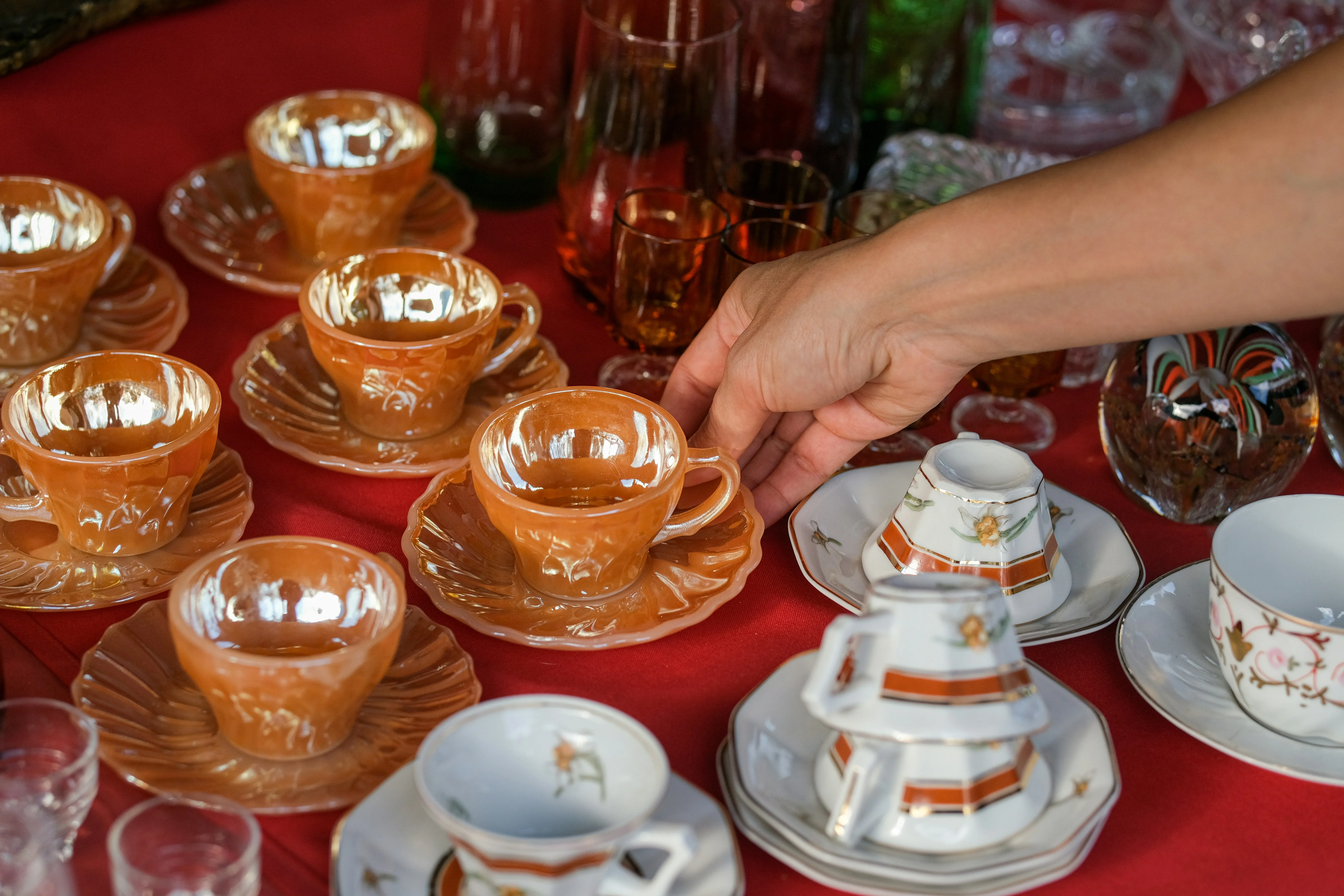
Vintage glassware can last for decades if treated gently.
Hand washing is usually the safest option. Use warm water, mild dish soap, and a soft cloth or sponge. Avoid harsh scrubbing pads that can scratch the surface.
Dishwashers are not ideal for older glass, especially thin Depression era pieces or hand blown art glass. The heat and vibration can cause cracks or chips over time.
Avoid stacking fragile pieces directly on top of each other. If you need to stack them, place a soft cloth or paper towel between each item.
For storage, choose a stable shelf or cabinet where the glass will not be bumped or jostled. Many chips and cracks happen during cleaning or storage rather than during actual use.
Safety Considerations
Some vintage glassware contains materials that are no longer used today. Certain older pieces may contain lead or other metals in the glass or painted decoration.
For most collectors, occasional use is not a concern. However, it is wise to avoid storing acidic liquids, such as wine or citrus drinks, in older lead crystal for long periods.
Uranium glass, which glows under ultraviolet light, is generally considered safe to handle and display. Many collectors enjoy its glow as a visual novelty.
If you plan to use vintage glassware daily, it is best to choose clear soda lime pieces or later mid century tumblers rather than delicate or heavily decorated items.
The Quiet Life of Old Glass
Vintage glassware tells a quiet story about everyday life. A thin pink plate might have come home from a movie theater in the 1930s. A heavy tumbler might have sat in a kitchen cabinet through decades of family dinners. A tall decanter might have anchored a bar cart during countless small gatherings.
These pieces were not originally made as collectibles. They were made to be used, handled, and shared.
When you bring vintage glassware into your home, you are not just adding decoration. You are continuing a long, practical tradition. A simple glass of water or a small arrangement of flowers can make an old piece feel right at home again.