







Perfect corners, glossy finishes, and matching furniture sets can feel cold after a while. A chipped bowl, a worn wooden stool, or a rumpled linen throw can carry more presence than something brand new and flawless.
This style is not about copying a specific decade or buying a coordinated set of furniture. It is about noticing how materials age, how light moves across a surface, and how a room feels when nothing is trying too hard to impress you. A chipped bowl, a worn wooden stool, or a rumpled linen throw can carry more presence than something brand new and flawless.
The idea comes from Japanese philosophy, but its appeal is simple and universal. Most people feel more comfortable in spaces that look lived in. Wabi sabi interior design builds rooms that feel calm, personal, and forgiving rather than polished and rigid.
This guide explains what wabi sabi means, how it translates into real interiors, and how to apply it in everyday spaces without turning your home into a themed set.
What Wabi Sabi Actually Means
Wabi sabi is rooted in a Japanese worldview that accepts three basic truths. Nothing lasts. Nothing is perfect. Nothing is ever fully finished. Instead of fighting those realities, the philosophy encourages people to appreciate them.
The word itself combines two ideas. Wabi originally referred to the loneliness of living simply in nature, but over time it came to represent quiet, humble beauty. Sabi refers to the marks left by time. Rust, wear, fading, and patina all fall into this category.
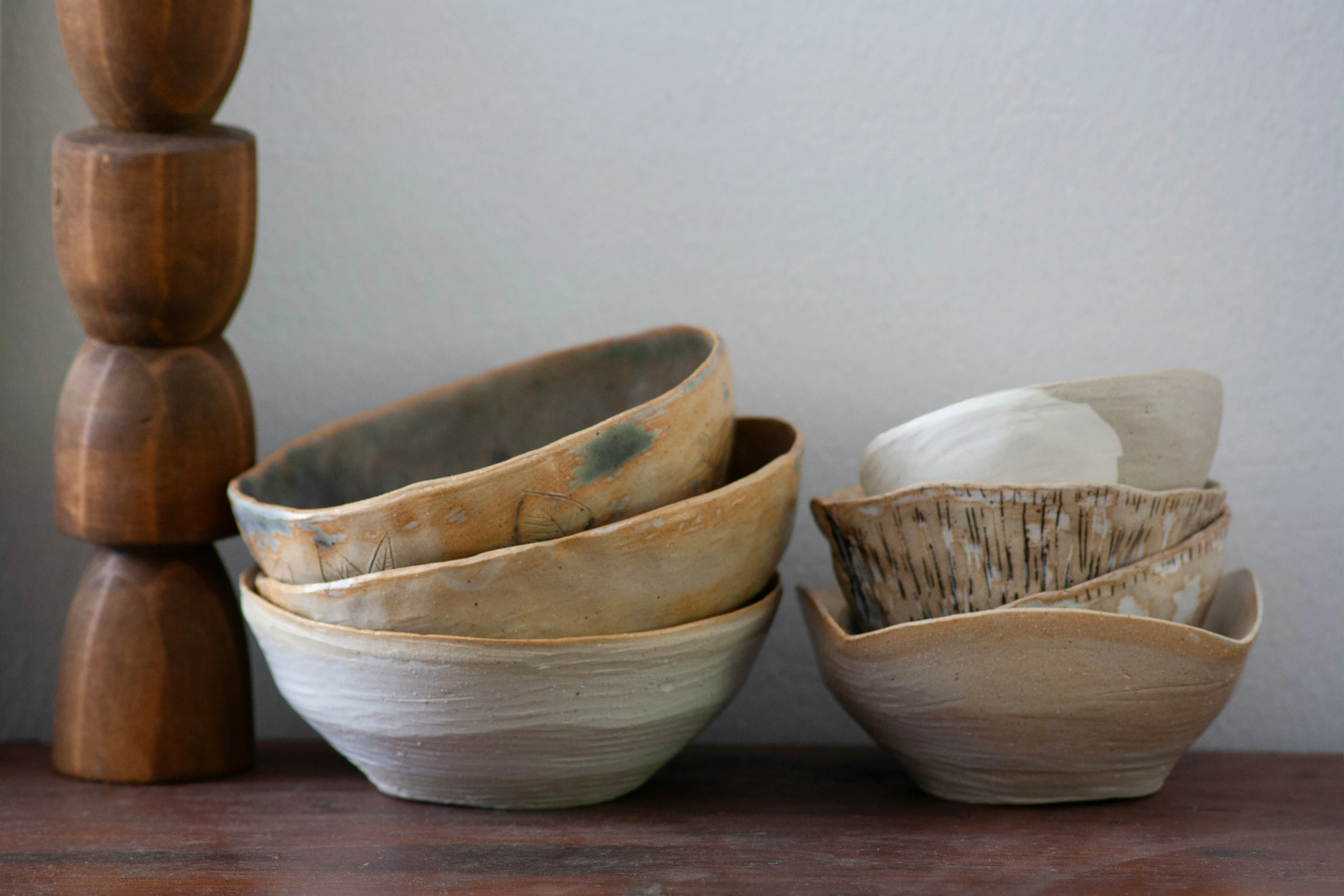
The tea master Sen no Rikyū helped shape the idea in the sixteenth century. He rejected ornate, imported tea vessels and chose rough clay bowls instead. He favored simple spaces, natural materials, and quiet attention to the moment. Even powerful guests had to bow to enter his small teahouse.
In modern terms, wabi sabi interior design means choosing materials that age gracefully, keeping spaces calm, and letting signs of use become part of the room’s character.
The Core Principles in Everyday Interiors
The philosophy sounds abstract, but it becomes very practical once you see how it applies to rooms and objects.
The first principle is imperfection as a feature. This does not mean broken or careless. It means accepting slight irregularities. A handmade ceramic bowl may not be perfectly round. A wooden table might have knots or uneven grain. These details make the object feel human.
The second principle is fewer, more meaningful objects. Instead of filling shelves with decorative fillers, wabi sabi favors a smaller number of pieces that feel useful and grounded. A single handmade mug used every morning carries more meaning than a row of unused display pieces.
The third principle is the importance of empty space. Wabi sabi rooms are not cluttered. They allow for breathing room between objects. Surfaces are not covered edge to edge. The quiet spaces between things are part of the design.
Materials That Define the Look
Materials do most of the work in wabi sabi interior design. If the surfaces feel natural and honest, the room tends to fall into place.
Wood is one of the main materials. Solid wood tables, stools, and shelves bring warmth and texture. Visible grain, knots, and slight color variation are all welcome.
Stone and clay are also common. Ceramic bowls, stoneware vases, and rough plaster walls add depth and tactile interest. These materials age well and develop character over time.
Textiles tend to be simple and natural. Linen, cotton, wool, and jute are common choices. These fabrics soften the room and bring subtle movement through folds and wrinkles.
Metals are used sparingly. When they appear, they are usually aged or matte. Patinated brass, weathered iron, and bronze tones fit the style better than polished chrome.
Color Palettes That Feel Wabi Sabi
Wabi sabi color palettes are quiet and earth based. They avoid bright contrasts and instead lean toward warm, muted tones.
Common shades include soft whites, cream, and chalky neutrals. Earth colors such as clay, rust, ochre, and terracotta appear often. Greens tend to be olive or sage rather than bright emerald.
Grays are usually warm and slightly brown or green in tone. Blues are soft and dusty, closer to fog or faded denim than a bright sky blue.
In this style, texture often replaces color as the main source of variation. A room might use only a few shades, but the materials themselves create depth through grain, weave, and surface irregularities.
Furniture Shapes and Proportions
Furniture in wabi sabi interior design tends to be simple, low, and grounded. Pieces sit close to the floor and feel stable rather than tall and delicate.
Shapes are usually soft and organic. Rounded edges, uneven forms, and asymmetry feel natural in this style. Perfectly sharp corners and rigid geometry feel out of place.
Many pieces look slightly irregular. A stool might have legs that are not perfectly identical. A bench might show the natural edge of the wood slab. These details make the furniture feel honest and unforced.
Comfort also matters. The goal is not to create a showroom display. It is to build a room that invites people to sit, rest, and move slowly through the space.
Lighting and Atmosphere
Lighting in wabi sabi interiors is soft and warm. Harsh overhead lights tend to disrupt the mood. Instead, the style favors lamps with gentle glow and diffused shades.
Paper, linen, and ceramic lamp bases work especially well. The light they produce feels calm and intimate rather than bright and clinical.
Natural light also plays an important role. Windows are often left simple, with light curtains or none at all. The movement of sunlight across textured walls or wooden surfaces becomes part of the room’s character.
A single well placed lamp can transform the entire atmosphere. In many wabi sabi rooms, lighting is subtle but intentional.
How Wabi Sabi Shows Up in Real Homes
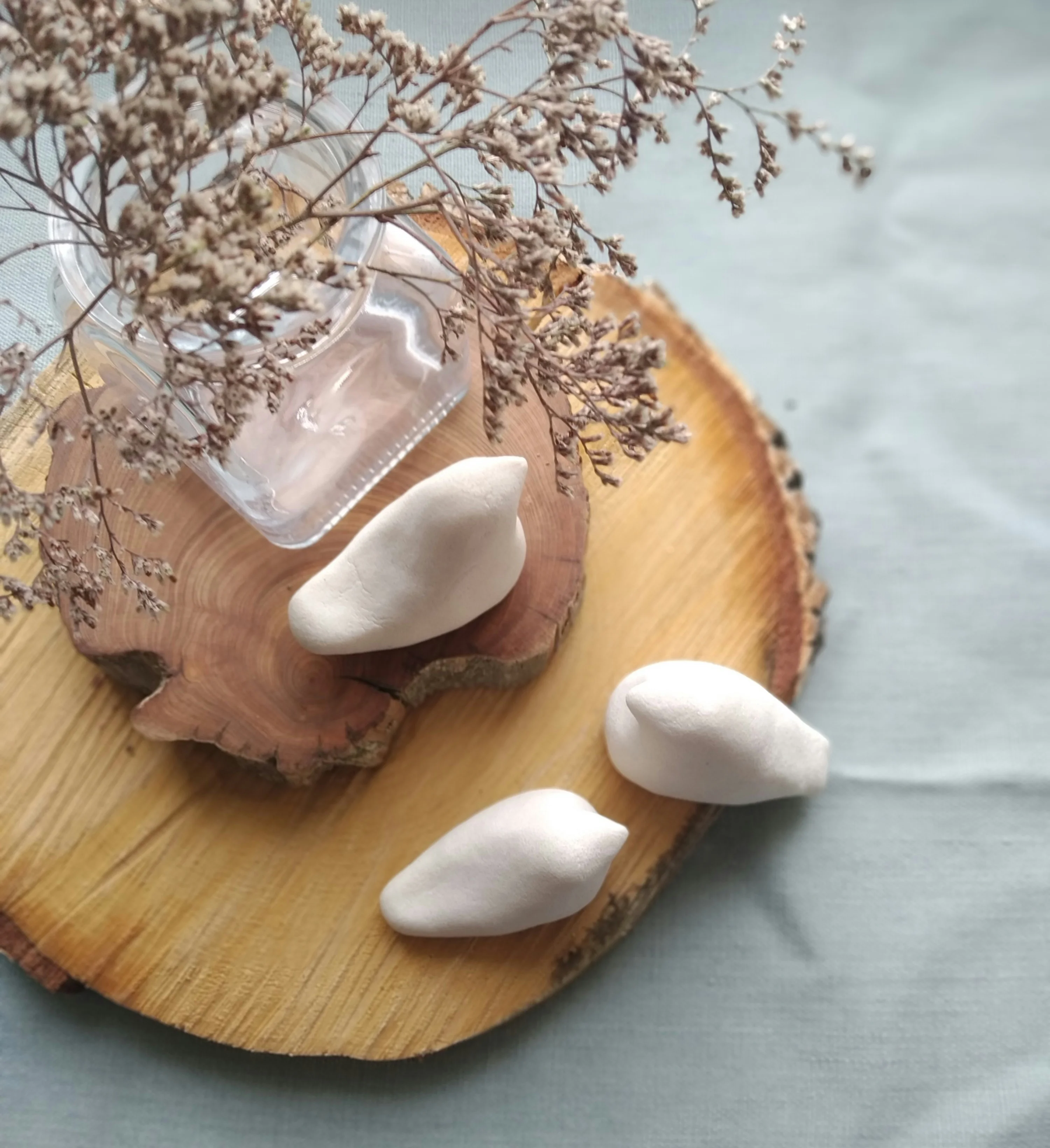
In real homes, wabi sabi interior design often starts with a few small changes rather than a full renovation.
Living rooms might feature a simple linen sofa, a wooden coffee table, and a few ceramic pieces on open shelving. The overall effect is calm and grounded.
Bedrooms tend to focus on textiles. Unironed linen sheets, a simple wooden bed frame, and a soft lamp on a small table create a restful environment.
Kitchens often use open shelving to display everyday ceramics. Bowls, mugs, and wooden utensils become part of the visual language of the room.
Many people begin with just one or two objects. A handmade bowl, a stoneware vase, or a wooden stool can shift the feeling of a space without requiring a full redesign.
How to Create the Look Without Buying Everything New
One of the strengths of wabi sabi interior design is that it does not require a large budget. In fact, the philosophy encourages using what you already have.
Start by removing items that feel shiny, plastic, or purely decorative. Store or donate the pieces that exist only to fill space.
Next, quiet the color palette. You might add a neutral throw, simple curtains, or a soft rug. Small changes in textiles can shift the mood of a room.
Then add one anchor object made from a natural material. A wooden stool, a clay vase, or a handmade bowl can become the center of the space.
Over time, replace items slowly. Choose pieces that feel good to touch and use. The goal is not speed. It is building a room that feels comfortable and personal.
How to Spot the Difference Between Real and Fake
As wabi sabi interior design has become popular, many mass produced products try to imitate the look. Some capture the spirit of the style. Others only copy the surface details.
Authentic pieces usually show small variations. A ceramic bowl might have uneven glaze. A wooden table might have natural marks and color changes.
Mass produced items often try to look imperfect, but the imperfections repeat in the same way on every piece. The shapes may still feel too uniform or the finishes too plastic.
A simple test is to hold the object. Does it feel balanced and comfortable in your hand. Does it seem made for use rather than display. If so, it is probably closer to the real spirit of wabi sabi.
Where This Style Works Best
Wabi sabi interior design works especially well in rooms meant for rest and daily routines.
Living rooms benefit from the calm atmosphere and soft materials. Bedrooms feel more peaceful with simple linens and warm lighting.
Entryways and small reading corners are also good places to start. These spaces do not require many objects, so a few carefully chosen pieces can make a strong impact.
Kitchens work well with this style too, especially when everyday objects are displayed openly. A shelf of handmade bowls or wooden utensils can feel both practical and beautiful.
Embracing the Imperfect
Wabi sabi interior design is less about achieving a certain look and more about changing how you see the objects around you. A worn table, a handmade bowl, or a faded linen curtain can carry a quiet kind of beauty.
Rooms built this way tend to feel calm and forgiving. They allow for age, use, and small imperfections. Nothing has to stay perfect, and nothing has to match exactly.
In many homes, the most comfortable spaces are the ones that show a little wear and a little history. Wabi sabi simply gives you permission to notice that, and to build your rooms around it.